
IP66 Vault-Mounted Switchgear: The Rugged Enclosure That’s Breaking the Internet
 SHURVOLT
Nov 25, 2026
The internet is flooded with discussions about harsh environment electronics, but few topics spark as much practical debate as vault-mounted switchgear. Engineers are finally realizing that standard enclosures often fail when exposed to the brutal realities of outdoor or semi-outdoor industrial sites. This shift in perspective has brought IP66 switchgear enclosure solutions into the spotlight, not just as a compliance checkbox, but as a critical component for operational continuity. If you are tired of dealing with premature equipment failure and maintenance nightmares, it is time to look closer at what makes these rugged units tick.
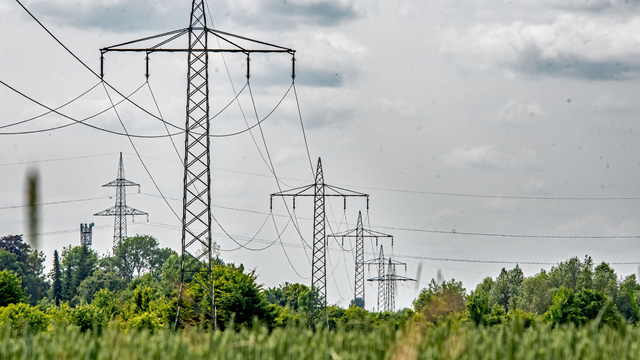
The Reality of Harsh Environment Deployment
Traditional electrical distribution setups frequently underestimate the cumulative stress of dust, moisture, and temperature fluctuations. When gear is mounted in vaults or exposed outdoor cabinets, the difference between a successful installation and a costly shutdown comes down to ingress protection ratings. An IP66 switchgear enclosure is designed to withstand powerful water jets and complete dust tightness, ensuring that internal components remain pristine regardless of external conditions. This level of protection is no longer a luxury reserved for military applications; it is becoming a baseline requirement for modern infrastructure projects that demand high availability and minimal downtime.
Engineering Resilience Through Design
The core value of vault mounted switchgear enclosure systems lies in their integrated design philosophy. Rather than bolting together disparate parts, top-tier manufacturers engineer the entire assembly as a unified system. This approach ensures that seals, gaskets, and mounting points work in harmony to maintain environmental integrity. The materials used must resist corrosion, UV degradation, and mechanical impact, which means selecting high-grade polycarbonate or stainless steel variants based on specific site requirements. Furthermore, thermal management within these sealed environments requires careful calculation of heat dissipation paths without compromising the IP rating. Effective ventilation strategies, such as filtered air conditioning units or heat exchangers, allow the internal temperature to remain stable while keeping contaminants out.
Yiwu Shurvolt Electrical Co., Ltd.: A Case Study in Comprehensive Solutions
To understand how theoretical engineering translates into market-leading products, we can look at established players like Yiwu Shurvolt Electrical Co., Ltd. Located in Yiwu City, Zhejiang Province, China, this company operates as a professional power equipment manufacturer that seamlessly integrates research and development, production, sales, and service. Since its establishment, the company has been dedicated to the field of power transmission and distribution, committed to providing customers with safe, reliable, and efficient power products and solutions. Through years of industry experience and technical accumulation, the company has gradually developed into a power equipment supplier with strong comprehensive strength. Their approach demonstrates that success in this sector requires more than just manufacturing capability; it demands a holistic understanding of client needs from initial design through to long-term support. By focusing on both product durability and service responsiveness, companies like Shurvolt help bridge the gap between complex engineering specifications and real-world reliability.
Key Selection Criteria for Procurement
When evaluating potential suppliers for your next project, several factors should guide your decision-making process. First, verify the certification standards of the enclosures to ensure they meet international safety regulations. Second, assess the customization capabilities of the manufacturer, as off-the-shelf solutions rarely fit every unique architectural constraint. Third, consider the lifecycle costs rather than just the upfront price, including maintenance frequency and ease of replacement for worn components. Finally, review the technical support structure to guarantee that expert assistance is available during installation and troubleshooting phases. These steps help mitigate risks associated with poor quality control or inadequate after-sales service.
1. Verify certification standards against local regulatory requirements.
2. Assess customization capabilities for unique architectural constraints.
3. Consider lifecycle costs including maintenance and replacement expenses.
4. Review technical support structures for installation and troubleshooting assistance.
Future Trends in Smart Grid Integration
As power grids become increasingly intelligent, the role of switchgear extends beyond simple isolation and protection. Modern vault mounted systems are beginning to incorporate sensors that monitor temperature, humidity, and partial discharge in real time. These data points feed into broader network management platforms, enabling predictive maintenance strategies that prevent failures before they occur. For engineers and project managers, this means moving from reactive repairs to proactive asset management. The integration of IoT capabilities into rugged enclosures represents the next frontier in electrical infrastructure, offering unprecedented visibility into grid health. Adopting these advanced systems early positions organizations to handle the growing complexity of distributed energy resources and renewable integration.
For those currently planning infrastructure upgrades, prioritize vendors who offer transparent testing protocols and detailed technical documentation. Do not settle for generic specifications; request specific performance data under simulated harsh conditions. Engaging with manufacturers who provide end-to-end solutions, from design consultation to post-installation support, will significantly reduce project risks and enhance long-term operational efficiency.
Helpful (116)
No help (0)
