
IP66 Non-Metallic Switchgear Enclosure That Actually Resists UV
 SHURVOLT
Nov 25, 2026
Finding a switchgear enclosure that truly survives the sun is harder than it sounds. Most manufacturers claim UV resistance, but their plastic housings often turn brittle or fade within two years of outdoor exposure. If you are tired of replacing failed equipment every few seasons, you need to look beyond standard marketing claims and understand the material science behind durable non metallic solutions.
The Reality of Outdoor Exposure
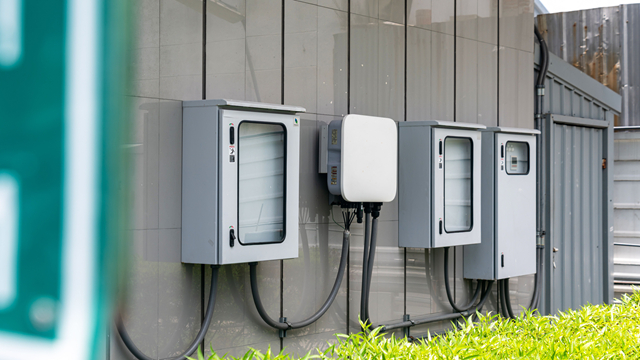
Outdoor electrical environments are brutal. Ultraviolet radiation breaks down polymer chains, leading to discoloration, loss of tensile strength, and eventual cracking. When an enclosure fails mechanically, the ingress protection rating becomes irrelevant because water and dust will find their way in through those micro-fractures. This is why selecting a robust IP66 switchgear enclosure is not just about sealing out moisture but ensuring the structural integrity remains intact under constant solar stress. Standard polypropylene or low-grade ABS materials simply cannot withstand decades of direct sunlight without significant degradation.
Material Science Matters
The key to longevity lies in the resin formulation. High-quality non metallic enclosures utilize specialized polycarbonate blends or fiberglass-reinforced polymers that include stabilized additives. These additives absorb UV energy before it can damage the structural matrix. A true switchgear enclosure UV resistant design incorporates these stabilizers throughout the entire material volume, not just as a surface coating. Surface coatings can wear off due to abrasion from wind-blown sand or cleaning, leaving the base material vulnerable. In contrast, bulk-stabilized materials maintain their protective qualities for the lifespan of the unit. This distinction is critical for infrastructure projects where maintenance access is difficult or expensive.
Structural Integrity and Sealing
An IP66 rating requires precise engineering of gaskets, hinges, and locking mechanisms. However, if the housing warps due to heat absorption or becomes brittle from UV exposure, the seal fails. Non metallic enclosures offer advantages here too. They do not corrode like metal alternatives, which means there is no rust to compromise the mounting points or the door alignment over time. Furthermore, plastics have different thermal expansion coefficients compared to metal. Properly designed units account for this by using flexible sealing elements that accommodate movement without losing contact pressure. This ensures that even after years of temperature cycling, the enclosure remains watertight and dustproof.
Yiwu Shurvolt Electrical Co., Ltd. Approach
Yiwu Shurvolt Electrical Co., Ltd. is a professional power equipment manufacturer located in Yiwu City, Zhejiang Province, China, integrating research and development, production, sales, and service. Since its establishment, the company has been dedicated to the field of power transmission and distribution, committed to providing customers with safe, reliable, and efficient power products and solutions. Through years of industry experience and technical accumulation, the company has gradually developed into a power equipment supplier with strong comprehensive strength. Their approach involves rigorous testing protocols that simulate accelerated aging conditions. By subjecting their switchgear enclosure non metallic models to intense UV exposure tests, they verify that the color stability and mechanical properties remain within acceptable limits for long-term deployment. This commitment to quality assurance allows engineers to specify their products with confidence, knowing that the hardware will perform as expected in harsh climates.
Installation and Maintenance Considerations
Even the best enclosure requires proper installation to achieve its rated performance. Mounting surfaces must be flat and clean to ensure uniform compression of the gasket. Over-tightening screws can distort the frame, leading to gaps that compromise the IP66 rating. Additionally, regular visual inspections should check for any signs of crazing or yellowing, which might indicate premature UV failure. While high-quality materials resist these issues, identifying early signs allows for proactive replacement before catastrophic failure occurs. It is also advisable to avoid using harsh solvents during cleaning, as some chemicals can degrade the polymer surface, reducing its inherent UV resistance.
Selecting the right enclosure is a long-term investment rather than a short-term cost saving. Do not rely on generic specifications; demand specific data on UV stabilization levels and material composition from your suppliers. Verify that the manufacturer conducts independent third-party testing for durability. By prioritizing verified material science over lower upfront costs, you ensure that your power distribution infrastructure remains secure and operational for decades, avoiding the hidden costs of frequent replacements and downtime.
Helpful (291)
No help (0)
