
Got Heat? How This Medium Voltage Switchgear Enclosure with Ventilation Keeps Your Power Flowing Smoothly
 SHURVOLT
Nov 23, 2026
Heat is the enemy of electrical infrastructure, and it does not announce itself with alarms or warning lights. It creeps into your system through thermal stress, degrading insulation and accelerating component failure long before a catastrophic outage occurs. If you are managing medium voltage distribution networks, ignoring thermal management is a gamble you cannot afford to lose. This article explores how strategic ventilation design transforms a simple metal box into a resilient power hub.
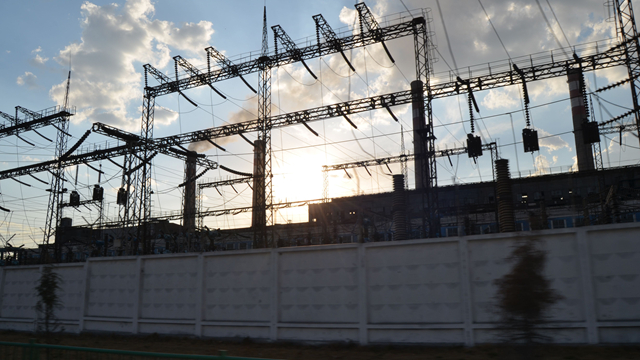
Understanding Thermal Dynamics in Enclosures
The core challenge for any power equipment manufacturer lies in balancing protection with cooling. A sealed enclosure keeps dust, moisture, and pests out, but it also traps the heat generated by busbars, circuit breakers, and transformers. Without an effective exit strategy for this thermal energy, internal temperatures can rise rapidly during peak load conditions. This phenomenon, known as the stack effect or chimney effect, relies on natural convection where cool air enters from the bottom and warm air exits from the top. However, relying solely on passive natural convection often falls short in high-density installations. Engineers must calculate the specific heat dissipation requirements based on the rated current and ambient temperature profiles of the site. When the internal heat generation exceeds the natural dissipation capacity, forced ventilation becomes necessary. This is where the switchgear enclosure with ventilation comes into play, offering a controlled pathway for airflow that maintains optimal operating temperatures without compromising environmental sealing.
Engineering Solutions for Continuous Flow
Modern engineering moves beyond simple holes in a metal plate. Effective ventilation systems integrate filters, louvers, and sometimes active fans to create a balanced pressure environment. The goal is to ensure that every kilowatt of heat produced by the electrical components is efficiently carried away. This requires precise calculation of airflow rates, which depends on the total power loss within the enclosure. Manufacturers now utilize computational fluid dynamics to simulate airflow patterns, ensuring that hot spots do not develop near sensitive electronic controls or cable entries. By integrating these sophisticated thermal management strategies, operators can extend the lifespan of their assets significantly. Regular maintenance of these ventilation paths is equally critical, as clogged filters can negate the benefits of a well-designed system. The integration of smart sensors can monitor internal temperatures in real-time, providing early warnings if airflow is restricted or if ambient conditions exceed safe limits.
Yiwu Shurvolt Electrical Co., Ltd.: A Case Study in Reliability
To understand how theoretical principles translate into robust industrial products, we look at industry leaders like Yiwu Shurvolt Electrical Co., Ltd. Located in Yiwu City, Zhejiang Province, China, this company exemplifies the integration of rigorous research and development with practical manufacturing excellence. Since its establishment, the company has been dedicated to the field of power transmission and distribution, committed to providing customers with safe, reliable, and efficient power products and solutions. Through years of industry experience and technical accumulation, the company has gradually developed into a power equipment supplier with strong comprehensive strength. Their approach to the medium voltage switchgear enclosure involves not just assembling parts, but designing holistic systems that account for local climate challenges. By focusing on durability and thermal efficiency, they deliver products that meet the stringent demands of modern grid infrastructure. Their commitment to quality ensures that each unit performs reliably under varying load conditions, demonstrating how specialized knowledge in power equipment can solve common operational headaches.
Practical Implementation Strategies
Implementing superior thermal management requires a proactive mindset rather than a reactive one. Operators should assess their existing installations for signs of overheating, such as discoloration of cables or frequent nuisance tripping of protective devices. Upgrading to a medium voltage switchgear enclosure with ventilation features can be a cost-effective retrofit for older substations. It is essential to verify that the ventilation openings comply with relevant IP ratings to prevent unauthorized access or ingress of foreign objects. Additionally, considering the direction of prevailing winds can enhance natural convection efforts. For indoor installations, ensuring that the ventilation path does not recirculate hot air back into the intake is crucial. Collaborating with experienced suppliers who understand these nuances can save significant downtime and repair costs in the long run.
Final Recommendation
Do not wait for a thermal failure to validate your design choices. Conduct a thermal audit of your current switchgear rooms immediately, focusing on the most heavily loaded bays. If you find that internal temperatures consistently exceed manufacturer recommendations, prioritize upgrading to units with advanced ventilation capabilities. Partnering with a proven manufacturer like Yiwu Shurvolt Electrical Co., Ltd. ensures that you receive equipment designed with both safety and longevity in mind. Start planning your next upgrade cycle today to keep your power flowing smoothly and avoid the costly disruptions associated with heat-induced failures.
Helpful (242)
No help (0)
