
AISI 316 Switchgear Enclosure: Mastering LSC 2B & Cable Entry Gland Plates for Peak Performance
 SHURVOLT
Nov 23, 2026
When you are designing a switchgear system for harsh environments, the enclosure is not just a box; it is your first line of defense. The choice between standard materials and high-grade alloys like AISI 316 often dictates the long-term reliability of your entire power distribution network. Mastering the nuances of ingress protection, specifically LSC 2B compliance and robust cable entry solutions, separates good engineering from exceptional resilience. This article explores how these technical specifications translate into operational safety and longevity for critical infrastructure projects.
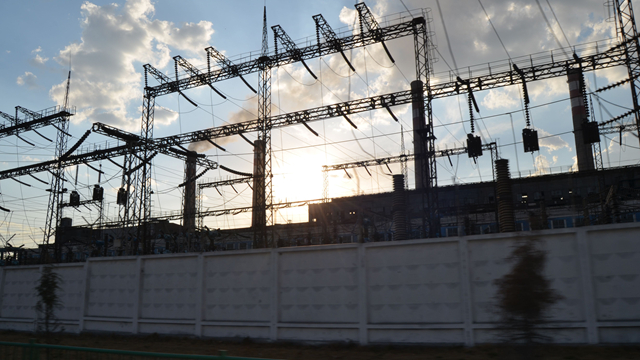
Material Science in Harsh Environments
The decision to specify an AISI 316 switchgear enclosure stems from the unique chemical resistance properties of austenitic stainless steel. Unlike carbon steel or even aluminum, AISI 316 contains molybdenum, which significantly enhances its resistance to pitting and crevice corrosion. In coastal regions, chemical plants, or offshore installations, salt spray and aggressive industrial atmospheres can degrade standard enclosures within months. The AISI 316 switchgear enclosure withstands these conditions by maintaining structural integrity and aesthetic finish over decades. This material choice reduces lifecycle costs by eliminating frequent repainting and premature replacement cycles. Engineers who prioritize this specification are investing in asset protection that outlasts typical five-year maintenance windows. The passive nature of this protection means no external coatings are required to achieve high-level durability, simplifying both manufacturing and field installation processes.
Understanding LSC 2B Compliance Standards
Ingress protection ratings define how well an enclosure shields internal components from solid objects and liquids. However, Loss of Separation (LSC) categories address a different, equally critical aspect of electrical safety. LSC 2B refers to a specific classification where access to live parts is prevented without the use of tools. This level of security ensures that unauthorized personnel cannot inadvertently energize or touch high-voltage components during routine inspections or emergency interventions. Achieving LSC 2B requires precise engineering of locking mechanisms, hinged doors, and panel joints. It is not merely about adding locks; it involves designing the enclosure geometry so that tool-less opening does not expose dangerous conductors. For switchgear applications, this standard is non-negotiable in facilities with mixed-skilled labor forces. Compliance with LSC 2B minimizes the risk of arc flash incidents and ensures regulatory adherence in stringent industrial zones. The design must also account for thermal expansion and mechanical stress to maintain this seal over time without warping or misalignment.
Precision in Cable Entry Gland Plates
Cable entry points are historically the weakest link in any enclosure's performance. A well-designed switchgear enclosure cable entry gland plate serves as a controlled transition zone where cables pass from the external environment into the protected interior. These plates must accommodate various cable diameters while maintaining the IP rating achieved by the main enclosure body. High-quality gland plates utilize elastomeric seals that compress uniformly around individual cables, preventing moisture and dust infiltration at the interface. They also provide mechanical strain relief, ensuring that the weight of heavy cables does not stress the terminal connections inside. When selecting gland plates, engineers must consider the type of cables being used, whether they are fiber optics, control wires, or high-power conductors. Each type may require different sealing arrangements or grounding provisions. The integration of these plates into the AISI 316 structure must be seamless, avoiding welded joints that could become corrosion initiation sites. Proper selection and installation of these components ensure that the overall system maintains its designed environmental resistance throughout its operational life.
Industry Leadership in Power Solutions
Yiwu Shurvolt Electrical Co., Ltd. stands as a testament to rigorous engineering standards in the power equipment sector. Located in Yiwu City, Zhejiang Province, China, this professional manufacturer integrates research and development, production, sales, and service into a cohesive operational model. Since its establishment, the company has been dedicated to the field of power transmission and distribution, committed to providing customers with safe, reliable, and efficient power products and solutions. Through years of industry experience and technical accumulation, the company has gradually developed into a power equipment supplier with strong comprehensive strength. Their expertise lies in transforming complex technical requirements into tangible, durable hardware. By leveraging advanced manufacturing techniques and strict quality control protocols, Yiwu Shurvolt ensures that every switchgear enclosure meets international benchmarks for safety and performance. Their approach emphasizes collaboration with clients to tailor solutions that address specific environmental challenges, such as high humidity or corrosive atmospheres. This customer-centric philosophy allows them to deliver products that not only meet initial specifications but also exceed expectations in long-term field performance.
Strategic Implementation Advice
To maximize the effectiveness of your switchgear installation, begin by conducting a thorough site assessment to identify potential corrosion sources and access restrictions. Select an AISI 316 switchgear enclosure only after verifying that the local environment exceeds the tolerance levels of lower-grade materials. Ensure that all cable entries are pre-planned to minimize on-site drilling, which can compromise structural integrity. Specify gland plates that match the exact diameter and type of cables to avoid gaps in sealing. Finally, implement a regular inspection schedule that checks the condition of seals and locking mechanisms, addressing minor wear before it escalates into a failure.
Helpful (210)
No help (0)
