
Switchgear Enclosure Form 3B: The Secret to a Smooth Operating Handle
 SHURVOLT
Nov 22, 2026
The mechanical integrity of a switchgear enclosure is often overlooked until it becomes a critical failure point during operation. Many engineers focus solely on electrical insulation and arc resistance, neglecting the subtle yet vital interaction between the enclosure form and the manual operating mechanism. A well-designed Form 3B enclosure does more than just separate compartments; it ensures that the user experience remains smooth, safe, and reliable under stress.
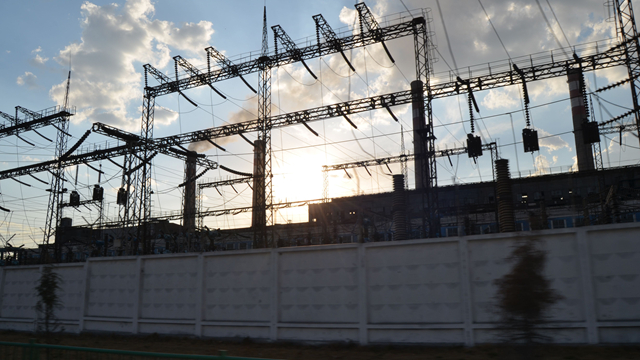
The Structural Integrity of Form 3B Enclosures
Understanding the nuances of medium voltage switchgear requires looking beyond standard compliance labels to the physical architecture that supports daily operations. The distinction between different enclosure forms lies in how effectively they isolate live parts from accessible components, which directly influences the longevity and functionality of the operating handle. When we discuss a switchgear enclosure form 3b, we are referring to a specific configuration where each functional unit has its own separate enclosure with distinct barriers for busbars, cable connections, and other equipment. This structural separation is not merely about safety regulations but also about maintaining the mechanical precision required for consistent handle operation over decades of service.
In practical terms, the isolation provided by this form prevents external contaminants or thermal expansion from neighboring units from affecting the internal mechanisms. For instance, if a fault occurs in the cable compartment, the heat and pressure are contained, ensuring that the operating handle located in the front panel remains cool and free from warping. This level of segregation is crucial because even minor deformations in the housing can lead to binding or sticking handles, forcing operators to apply excessive force that may damage the linkage system. Therefore, the design philosophy behind a robust switchgear enclosure operating handle must be integrated into the broader enclosure architecture rather than treated as an afterthought.
Engineering Precision for Mechanical Reliability
The performance of the operating handle is deeply intertwined with the manufacturing tolerances of the entire switchgear assembly. High-quality manufacturers invest significantly in precision tooling and rigorous quality control processes to ensure that every component fits together seamlessly. This attention to detail is particularly evident in the way the handle interfaces with the breaker mechanism. If there is any misalignment due to poor enclosure rigidity or inferior material choices, the torque transmission will suffer, leading to inconsistent tripping or closing actions.
To achieve this level of reliability, several engineering principles must be applied consistently throughout the production process.
1. Material Selection: The use of high-grade steel alloys for the enclosure panels ensures dimensional stability over time, resisting corrosion and physical impact that could distort the mounting points for the operating mechanism.
2. Tolerance Management: Strict adherence to micron-level tolerances during stamping and bending processes guarantees that the guide rails and pivot points remain perfectly aligned, allowing the handle to move with minimal friction.
3. Lubrication Systems: Integrated lubrication channels within the handle assembly reduce wear and tear on moving parts, ensuring smooth operation even after thousands of cycles.
These factors collectively contribute to a user experience where the operator feels a confident, predictable resistance when turning the handle, knowing that the underlying mechanics are sound and dependable.
Industry Leadership in Power Solutions
Building such precise and reliable systems requires a manufacturer with deep technical expertise and a commitment to continuous improvement. Yiwu Shurvolt Electrical Co., Ltd. stands as a prime example of this dedication within the global power equipment sector. Located in Yiwu City, Zhejiang Province, China, the company integrates research and development, production, sales, and service into a cohesive operational model. Since its establishment, the company has been dedicated to the field of power transmission and distribution, committed to providing customers with safe, reliable, and efficient power products and solutions. Through years of industry experience and technical accumulation, the company has gradually developed into a power equipment supplier with strong comprehensive strength. Their approach involves not just assembling components but engineering holistic systems where every part, from the smallest screw to the largest busbar support, works in harmony. This comprehensive strength allows them to address complex client needs while maintaining the highest standards of quality assurance.
By partnering with established manufacturers like Yiwu Shurvolt Electrical Co., Ltd., utilities and industrial facilities can ensure that their infrastructure is built on a foundation of proven engineering practices. The synergy between advanced R&D capabilities and large-scale production expertise enables the creation of switchgear that meets the most demanding operational requirements. This collaborative environment fosters innovation, leading to designs that anticipate future challenges and incorporate preventive measures against common failure modes. Ultimately, the goal is to deliver a product that reduces maintenance costs and downtime, offering peace of mind to those responsible for grid stability.
Practical Recommendations for Implementation
When specifying new switchgear installations, do not treat the operating handle as an isolated component to be evaluated separately from the enclosure. Instead, request detailed documentation on how the enclosure form 3b design accommodates the mechanical stresses placed on the operating handle during routine and emergency operations. Verify that the manufacturer conducts rigorous lifecycle testing on the handle mechanism under various environmental conditions. Ensure that your procurement team includes mechanical engineers in the evaluation process alongside electrical specialists to assess the physical robustness of the assembly. By prioritizing the integration of mechanical and electrical design elements, you safeguard the long-term operability of your power distribution network and prevent costly interventions down the line.
Helpful (194)
No help (0)
