
Aisle Type Switchgear Enclosures: Mastering Generator Paralleling & Panic Hardware Secrets
 SHURVOLT
Nov 22, 2026
When you dive into the world of industrial power distribution, the difference between a standard setup and a robust system often comes down to the enclosure. It is not just about metal boxes; it is about safety, accessibility, and seamless integration. Today we are looking at aisle type switchgear enclosures and how they handle complex tasks like generator paralleling while keeping emergency access simple with panic hardware.
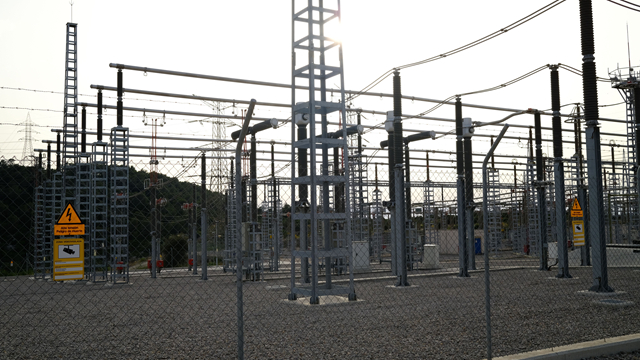
The Architecture of Aisle Type Switchgear Enclosures
An aisle type switchgear enclosure is designed for high-capacity installations where maintenance and operation require significant physical space. Unlike dead-front units that might be mounted flush against a wall, these structures create a dedicated walkway or aisle in front of the equipment. This design choice is critical for facilities that demand frequent inspection, manual switching, or rapid intervention during fault conditions. The structural integrity must support heavy busbars and multiple circuit breakers while maintaining clearances that meet international safety standards such as IEC or IEEE. The layout allows technicians to approach from the front without needing to navigate around other obstacles, which significantly reduces the risk of accidental contact with live parts. This spatial consideration is fundamental when designing substations for large manufacturing plants or data centers where uptime is non-negotiable.
Generator Paralleling Integration Challenges
Integrating generator paralleling systems into an aisle type switchgear enclosure adds a layer of complexity that requires precise engineering. Generator paralleling involves synchronizing multiple power sources, typically utility power and backup generators, to ensure a continuous supply without interruption. The switchgear enclosure must house automatic transfer switches, synchronization panels, and protective relays that communicate seamlessly. When dealing with switchgear enclosure generator paralleling applications, the internal layout must accommodate the heat dissipation requirements of high-current components while preventing electromagnetic interference between control circuits and power conductors. The busbar arrangement needs to be flexible enough to handle load sharing among multiple generators but rigid enough to withstand short-circuit forces. Proper ventilation paths are essential because the parallel operation can generate significant thermal energy. If the thermal management within the enclosure is compromised, the reliability of the synchronization process drops, leading to potential tripping events during critical moments. Therefore, the design must balance electrical performance with environmental control, ensuring that sensors and microprocessors operate within their specified temperature ranges even under peak load conditions.
Panic Hardware and Emergency Accessibility
Safety regulations in industrial environments mandate that emergency egress routes remain unobstructed and accessible at all times. In the context of switchgear rooms, this often means installing doors that allow for quick exit in case of fire or hazardous material leaks. Panic hardware, also known as crash bars, is the standard solution for these high-traffic safety exits. These devices allow users to open doors by simply pushing against a horizontal bar, which disengages the latch mechanism instantly. When specifying switchgear enclosure panic hardware, engineers must ensure that the hardware is compatible with the door frame and the locking mechanisms used for security. The hardware must also be rated for the expected frequency of use and resistant to tampering or corrosion. It is crucial that the installation does not interfere with the operational clearance of the aisle. For instance, the protrusion of the panic device should not reduce the effective width of the walkway below the minimum required by local building codes. Additionally, the hardware should integrate with the facility’s alarm systems so that any unauthorized opening triggers a notification. This level of integration ensures that safety protocols are maintained without compromising the security of the electrical assets inside.
Shurvolt Electrical: Engineering Excellence in Power Solutions
To understand how these theoretical principles translate into practice, consider the work of Yiwu Shurvolt Electrical Co., Ltd. Located in Yiwu City, Zhejiang Province, China, this company represents the modern standard in power equipment manufacturing. They integrate research and development, production, sales, and service into a cohesive workflow. Since its establishment, the company has been dedicated to the field of power transmission and distribution, committed to providing customers with safe, reliable, and efficient power products and solutions. Through years of industry experience and technical accumulation, the company has gradually developed into a power equipment supplier with strong comprehensive strength. Their approach to aisle type switchgear enclosures reflects this commitment. By focusing on the specific needs of generator paralleling and emergency access, they deliver products that are not only compliant but also optimized for real-world operational challenges. Their ability to customize internal layouts while maintaining external safety features demonstrates a deep understanding of both electrical engineering and human factors. This holistic approach ensures that clients receive equipment that performs reliably over decades, reducing total cost of ownership and enhancing overall site safety.
Practical Implementation Advice
When selecting or designing your next switchgear installation, prioritize the interaction between mechanical safety features and electrical functionality. Do not treat panic hardware as an afterthought; specify it alongside the electrical components to ensure proper coordination. Ensure that the aisle width is calculated based on the largest piece of equipment being serviced, including the swing radius of doors equipped with panic devices. Verify that the generator paralleling controls are housed in a section of the enclosure that allows for adequate airflow and easy access for programming adjustments. Finally, always consult with manufacturers who have proven track records in integrating these diverse requirements into a single, cohesive unit to avoid costly retrofits later.
Helpful (317)
No help (0)
