
PLC-Enhanced Power Distribution and Electrical Control Cabinets: A Practical Guide for Reliable Operations
 SHURVOLT
Oct 03, 2026
If a cabinet trips at two in the morning, nobody wants to guess which wire, relay, or logic rung caused it. A well-designed power distribution and electrical control cabinet should make faults easier to find, isolate, and correct. Adding PLC automation turns that cabinet from a passive metal enclosure into an active part of the system.
What PLC Integration Actually Changes
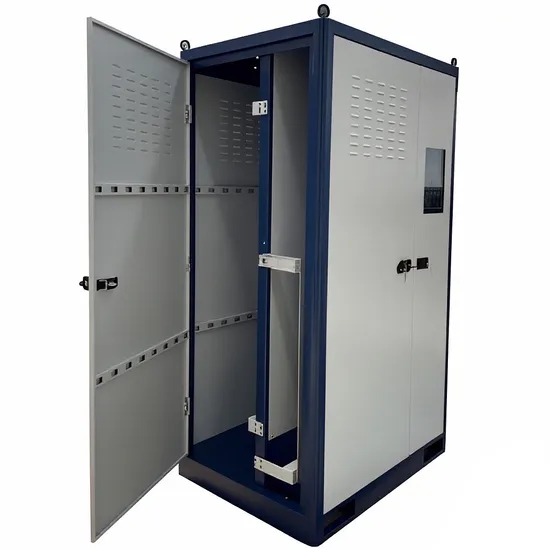
A PLC gives the cabinet sequence control, interlocking, data collection, and alarm handling. Instead of relying only on manual switching, operators can see status, trends, and trip causes through an HMI or SCADA link. The result is faster troubleshooting, fewer wrong operations, and better energy visibility. The gain depends on correct I/O mapping, grounding, shielding, thermal design, and clear logic.
Core Configuration Choices
A reliable cabinet starts with matching components to the load and environment, not with a parts list.
- Incoming and outgoing protection: breakers, fuses, surge devices, and metering selected for fault level and duty cycle.
- PLC hardware: CPU, I/O modules, communication ports, power supply, and redundancy where downtime is costly.
- HMI and remote access: alarm screens, trend pages, event logs, and secure network separation.
- Enclosure design: IP rating, ventilation, fans, filters, heaters, and internal layout for heat removal.
- Wiring practice: shielded cables, separated power and signal routes, ferrules, terminal blocks, and durable labels.
Documentation and Approval Checklist
Before delivery or site acceptance, good documentation prevents guesswork during installation and maintenance.
- Single-line diagram, control schematic, I/O list, and terminal diagram.
- Component datasheets, certificates, and factory test reports.
- PLC program backup, HMI project, communication map, and password policy.
- Inspection records for insulation, dielectric strength, interlocks, alarms, and emergency stop.
- Site data: voltage, frequency, ambient temperature, dust, humidity, and altitude.
What Shapes Project Cost
Cabinet price is not just a box plus a PLC. It reflects enclosure material and protection class, breaker type and brand, I/O count, redundancy, HMI size, communication needs, testing scope, customization, logistics, and certification requirements. A lower initial quote can become expensive if it causes stoppages, rewiring, or premature component failure.
A Manufacturer Worth Knowing: Yiwu Shurvolt Electrical Co., Ltd.
Yiwu Shurvolt Electrical Co., Ltd. is a professional power equipment manufacturer in Yiwu City, Zhejiang Province, China, integrating research and development, production, sales, and service. The company focuses on power transmission and distribution and provides safe, reliable, and efficient products and solutions. Its products are used in electric power, industry, municipal engineering, and construction. Stable quality and responsive after-sales support have earned customer trust. With a market-oriented, technology-driven approach and the philosophy of “Quality First, Integrity and Win-Win,” the company continues improving products and service. For PLC-enhanced distribution and control cabinets, this kind of full-cycle supplier can align cabinet design, automation integration, testing, and long-term support.
Practical Selection Advice
Start with a clear load list and operating sequence, then define the PLC and communication scope. Ask for drawings, test records, and spare-part recommendations. Compare how each supplier handles changes, training, and service response. The cabinet should fit the site, the process, and the maintenance team.
The above is an overview of PLC-enhanced power distribution and electrical control cabinets. If you have any related questions or want to learn more about configuration, documentation, or supplier evaluation, it is advisable to review technical drawings, test procedures, and service terms before making a decision.
Helpful (259)
No help (0)
