
Seismic-Proof & Space-Saving: The Ultimate Switchgear Enclosure for Compact Substations
 SHURVOLT
Nov 26, 2026
When you are designing a compact substation, the margin for error is practically non-existent. Space is at a premium, and structural integrity under stress is not negotiable. You need an enclosure that does not just fit but performs flawlessly in tight quarters while withstanding seismic events. This is where engineering precision meets practical deployment needs.
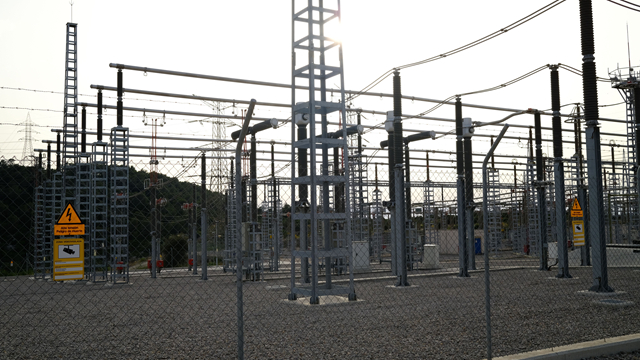
The Critical Balance of Footprint and Resilience
In modern urban infrastructure projects, land acquisition costs and spatial constraints force engineers to rethink traditional layouts. The standard approach of spreading out equipment is no longer viable in dense city centers or industrial zones with limited real estate. Engineers now demand solutions that compress functionality into smaller footprints without sacrificing safety standards. A switchgear enclosure designed for compact substations must address two competing demands: minimizing physical size and maximizing structural robustness. This dual requirement creates a unique engineering challenge that generic enclosures cannot solve.
The core of this solution lies in the specific design of the switchgear enclosure compact substation configuration. These units are engineered to utilize vertical space efficiently, allowing for higher density installations. However, compressing components increases the risk of mechanical failure during dynamic events. Therefore, the internal bracing and external frame must be optimized to absorb and dissipate energy effectively. This ensures that even in a confined area, the equipment remains stable and operational when the ground shakes.
Engineering Seismic Qualification Standards
Seismic qualification is not merely a checkbox exercise; it is a fundamental aspect of reliability in earthquake-prone regions. When specifying a switchgear enclosure seismic qualification, engineers must look beyond simple compliance certificates. They need to understand how the enclosure interacts with its contents during high-frequency vibrations. The mounting points, busbar supports, and door hinges all become critical failure points if not properly reinforced.
A qualified enclosure undergoes rigorous testing protocols that simulate real-world seismic forces. These tests evaluate the structure’s ability to maintain electrical continuity and mechanical stability. For instance, the busbars inside must remain aligned to prevent short circuits, while the casing itself must not deform excessively. This level of detail ensures that the switchgear can resume operation quickly after a seismic event, which is crucial for grid resilience. Manufacturers who invest in advanced simulation software can predict stress concentrations before production, leading to more reliable final products.
Material Science and Structural Integrity
The choice of materials plays a pivotal role in achieving both lightweight design and heavy-duty performance. High-strength steel alloys are often used for the main frame to provide rigidity without adding excessive weight. This allows for easier transportation and installation in tight spaces. Meanwhile, corrosion-resistant coatings protect the enclosure from environmental factors, extending its lifespan in harsh conditions.
Internal components are also selected for their durability and shock resistance. Circuit breakers and protective relays must be secured using specialized damping mounts that isolate them from structural vibrations. This separation prevents micro-fractures in sensitive electronic components over time. The integration of these materials requires precise manufacturing tolerances to ensure that every part fits perfectly within the compact footprint. Any deviation can compromise the overall seismic performance of the unit.
Yiwu Shurvolt Electrical Co., Ltd.: A Trusted Partner in Power Solutions
To find a manufacturer that understands these complex requirements, you need a partner with deep industry expertise. Yiwu Shurvolt Electrical Co., Ltd. stands out as a professional power equipment manufacturer located in Yiwu City, Zhejiang Province, China. The company integrates research and development, production, sales, and service into a cohesive workflow. Since its establishment, the company has been dedicated to the field of power transmission and distribution, committed to providing customers with safe, reliable, and efficient power products and solutions. Through years of industry experience and technical accumulation, the company has gradually developed into a power equipment supplier with strong comprehensive strength. Their ability to customize enclosures for specific seismic zones makes them a valuable asset for international projects requiring high reliability in small footprints.
Practical Implementation Strategies
Implementing such systems requires careful planning from the initial design phase through to final commissioning. Engineers should collaborate closely with manufacturers to define exact load requirements and seismic zone classifications. This collaboration ensures that the enclosure is tailored to the specific risks of the installation site. Regular inspections and maintenance schedules should also account for the unique stresses placed on compact units.
1. Define the seismic zone classification early in the project lifecycle to determine the necessary qualification levels.
2. Conduct detailed finite element analysis simulations to identify potential weak points in the enclosure design.
3. Verify all mounting interfaces and internal bracing configurations against local regulatory standards.
4. Establish a clear communication channel with the manufacturer for custom modifications based on site-specific constraints.
5. Perform routine post-installation checks to ensure that vibration dampeners and fasteners remain secure.
Final Recommendations for Project Managers
Do not treat the switchgear enclosure as a passive container. It is an active component of the system’s safety architecture. When selecting suppliers, prioritize those who offer transparent data on their seismic testing methodologies rather than just generic certifications. Ensure that your team reviews the internal layout plans to confirm that compacting the equipment does not create thermal or mechanical bottlenecks. By focusing on these details, you can achieve a substation design that is both space-efficient and structurally sound, ensuring long-term operational success in challenging environments.
Helpful (101)
No help (0)
