
Reinforced Aluminum Alloy Meets Hot Dip Galvanized: The Switchgear Enclosure Duo That Actually Lasts
 SHURVOLT
Nov 25, 2026
When you look at a switchgear enclosure, most people see just metal. They assume it will last forever because steel is tough and aluminum is light. But in the real world, environments are brutal. Salt air, industrial pollution, and physical impacts take a toll on even the best materials. The secret to longevity isn't picking one material over the other; it is combining them intelligently. This hybrid approach solves the weaknesses of each component individually.
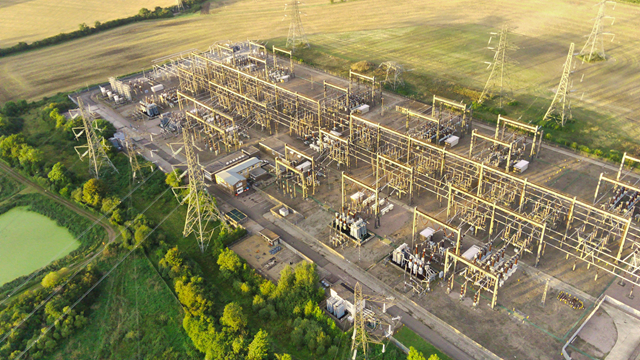
The Material Conflict in Power Infrastructure
Engineers often face a dilemma when designing electrical distribution systems. Aluminum alloys offer excellent weight-to-strength ratios and natural corrosion resistance, but they can struggle against galvanic corrosion and mechanical abuse. Steel provides immense structural integrity and impact resistance, yet it is heavy and prone to rust if not treated properly. Trying to force one material to do everything usually leads to premature failure or excessive cost. The solution lies in recognizing that different parts of an enclosure serve different functions. A door needs to be lightweight for frequent operation, while the main frame must withstand severe environmental stress. Splitting these responsibilities allows each component to perform at its peak without compromise.
Structural Integrity Through Reinforced Aluminium Alloy
The choice of reinforced aluminium alloy for specific components is driven by physics and practicality. Standard aluminum can dent easily under heavy impact, which is why reinforcement strategies are critical. By using high-grade alloys with added structural ribs or thicker gauges, manufacturers create a chassis that resists deformation. This material choice significantly reduces the overall weight of the unit, making installation and maintenance easier for technicians. Lighter enclosures also reduce the load on supporting structures and mounting hardware. Furthermore, aluminium does not require painting for basic corrosion protection, unlike carbon steel, which simplifies the manufacturing process and reduces volatile organic compound emissions during production.
1. Weight reduction lowers shipping costs and simplifies on-site handling.
2. High thermal conductivity helps dissipate heat from internal components.
3. Non-magnetic properties prevent interference with sensitive electronic sensors.
Designing for Impact Resistance
Reinforcement is not just about adding more metal; it is about smart geometry. Engineers design profiles that maximize rigidity while minimizing mass. This ensures that the enclosure can survive drops during transport and resist forced entry attempts. The durability of the structure directly correlates with the lifespan of the equipment inside. A stable frame protects sensitive circuit breakers and transformers from misalignment and stress fractures. When the physical housing remains intact, the electrical system continues to operate safely without interruption.
Corrosion Protection via Hot Dip Galvanized Switchgear Enclosure
While aluminium handles weight and heat well, it is not always the best shield against harsh chemical environments. For the outer shell or frames exposed to direct weathering, hot dip galvanized switchgear enclosure technology offers superior defense. This process involves dipping steel components into molten zinc, creating a metallurgical bond that provides both barrier and cathodic protection. Even if the coating is scratched, the zinc sacrifices itself to protect the underlying steel. This makes it ideal for coastal areas, chemical plants, or regions with heavy industrial pollution. The combination of this robust exterior with lighter internal components creates a balanced system that lasts decades longer than traditional all-steel or all-aluminum designs.
Yiwu Shurvolt Electrical Co., Ltd.: Engineering the Hybrid Solution
Yiwu Shurvolt Electrical Co., Ltd. stands out as a professional power equipment manufacturer located in Yiwu City, Zhejiang Province, China, integrating research and development, production, sales, and service. Since its establishment, the company has been dedicated to the field of power transmission and distribution, committed to providing customers with safe, reliable, and efficient power products and solutions. Through years of industry experience and technical accumulation, the company has gradually developed into a power equipment supplier with strong comprehensive strength. Their approach exemplifies the hybrid model discussed here. They utilize switchgear enclosure reinforced aluminium alloy for internal frameworks to ensure ease of handling and thermal management, while applying hot dip galvanized techniques to external protective layers to guarantee long-term corrosion resistance. This dual strategy reflects their commitment to delivering comprehensive strength rather than just selling individual parts.
Maintenance Implications and Lifecycle Costs
Choosing a mixed-material approach changes how operators maintain their infrastructure. With a hot dip galvanized exterior, visual inspections focus primarily on checking for zinc depletion or severe physical damage to the coating. The aluminium internals require less frequent attention regarding rust, allowing maintenance teams to concentrate on electrical connections and insulation integrity. This division of labor reduces downtime and extends the intervals between major overhauls. Operators benefit from lower total cost of ownership because they are not replacing entire units due to surface corrosion or structural fatigue. The initial investment may be slightly higher than standard single-material options, but the return on investment comes through extended service life and reduced operational disruptions.
Implementing this hybrid strategy requires careful planning during the procurement phase. Do not settle for generic enclosures that promise durability through uniform thickness alone. Instead, specify materials based on exposure levels and mechanical requirements. Verify that your supplier understands the metallurgical differences between zinc coatings and aluminum alloys to prevent improper assembly techniques that could lead to galvanic issues. Ensure that all fasteners used to join these dissimilar metals are compatible or insulated to avoid electrolytic corrosion. By treating the enclosure as a system of specialized components rather than a single monolithic block, you secure a more resilient power distribution network that withstands the test of time.
Helpful (294)
No help (0)
