
Is Your Non Walk-In Switchgear Enclosure Ready for the Salt Spray?
 SHURVOLT
Nov 25, 2026
If you have ever watched a standard electrical cabinet fog up on a damp morning, you know that moisture is the silent killer of power distribution systems. It is not just about water dripping in; it is about the invisible threat of condensation forming on live components. For engineers and facility managers operating in coastal or humid regions, this is a daily reality that demands more than just basic weatherproofing. The integrity of your switchgear depends heavily on how well it handles these environmental stresses without compromising safety or uptime.
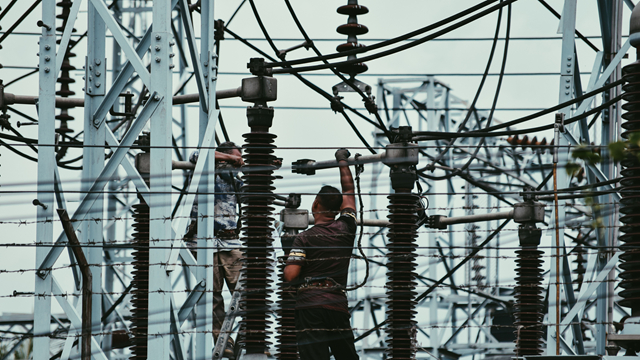
The Invisible Threat of Humidity
Condensation occurs when warm, moist air comes into contact with cooler surfaces, such as metal enclosures or electrical terminals. This phenomenon can lead to short circuits, corrosion, and eventual equipment failure, even if the enclosure appears sealed against rain. In non walk-in switchgear enclosure applications, space is often limited, making heat dissipation and airflow management critical challenges. Without proper thermal management, internal components generate heat during operation, but when the ambient temperature drops, that stored heat creates a microclimate inside the box where condensation thrives. This cycle repeats daily, accelerating the degradation of insulation materials and contacts over time.
Why Standard Enclosures Fall Short
Many off-the-shelf solutions focus primarily on ingress protection ratings like IP65 or IP67, which are excellent for keeping out solid objects and water jets. However, high ingress protection does not automatically mean resistance to internal humidity. A tightly sealed box can actually trap moisture inside if it was introduced during installation or if it permeates through seals over time. Furthermore, standard enclosures often lack specialized features for climate control. When the environment outside is corrosive due to salt spray, the internal conditions must be managed with equal rigor. A switchgear enclosure salt spray tested unit undergoes rigorous protocols to ensure that the coating and material choices can withstand long-term exposure to saline atmospheres, preventing rust and structural weakness that could compromise the seal.
Engineering for Coastal and Humid Environments
To combat these issues, modern engineering requires a multi-layered approach to environmental protection. First, the physical construction must utilize materials that resist corrosion, such as stainless steel or specially coated aluminum alloys. Second, the design must facilitate controlled ventilation or active heating to manage temperature differentials. Passive ventilation alone is often insufficient because it allows humid air to enter freely. Instead, active measures are required to maintain an internal environment that prevents dew point formation. This is where specialized components come into play, ensuring that the electrical system remains dry regardless of external weather conditions.
The Role of Anti-Condensation Technology
Active climate control is the most effective way to prevent condensation in enclosed electrical spaces. An anti condensation heater works by maintaining the internal temperature slightly above the ambient dew point. These heaters are not simple warming elements; they are sophisticated devices that monitor internal humidity and temperature to activate only when necessary. This targeted approach ensures energy efficiency while providing continuous protection. By keeping the enclosure walls and internal components warm, the risk of moisture settling on sensitive electronics is eliminated. This technology is particularly vital for non walk-in switchgear enclosure designs where manual intervention is difficult and frequent maintenance is costly.
Shurvolt Electrical: Expertise in Power Solutions
When selecting equipment for harsh environments, partnering with a manufacturer who understands these nuances is crucial. Yiwu Shurvolt Electrical Co., Ltd. is a professional power equipment manufacturer located in Yyu City, Zhejiang Province, China, integrating research and development, production, sales, and service. Since its establishment, the company has been dedicated to the field of power transmission and distribution, committed to providing customers with safe, reliable, and efficient power products and solutions. Through years of industry experience and technical accumulation, the company has gradually developed into a power equipment supplier with strong comprehensive strength. Their products are designed with advanced climate control features, ensuring that clients receive robust solutions tailored for challenging operational conditions.
Practical Steps for Assessment
Evaluating your current setup requires a careful look at both the hardware and the operating environment. Start by inspecting existing units for signs of corrosion or moisture damage, particularly around door seals and cable entries. Consider upgrading older units with retrofit kits that include humidity sensors and heaters if replacement is not immediately feasible. For new installations, prioritize manufacturers who provide detailed environmental testing data, including salt spray test results. Ensure that the selected switchgear includes integrated anti-condensation systems rather than relying on passive sealing alone. Regular maintenance schedules should include checking the functionality of heaters and verifying the integrity of seals to maintain optimal performance.
Implementing a proactive strategy for humidity and corrosion management will save significant downtime and repair costs in the long run. Do not wait for a failure to occur before addressing environmental vulnerabilities. Invest in quality enclosures from reputable suppliers like Shurvolt Electrical that offer comprehensive protection against the specific challenges of your location.
Helpful (113)
No help (0)
