
Keep Your Switchgear Cool & Corrosion-Proof: The Ultimate Enclosure Upgrade
 SHURVOLT
Nov 25, 2026
If you have ever walked into a substation or industrial plant on a humid summer day, you know the immediate sense of discomfort. The heat radiating from equipment cabinets is not just uncomfortable for personnel; it is a silent killer for electrical components. Many engineers focus heavily on the quality of the circuit breakers and busbars but neglect the environment inside the enclosure. This oversight often leads to premature failures that could have been easily prevented with proper thermal management and protection strategies.
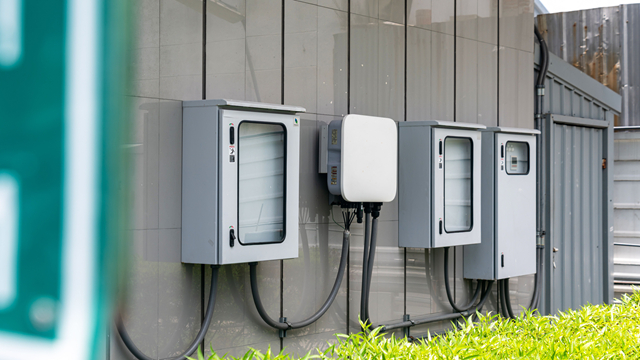
The Hidden Costs of Thermal Stress
Heat is the primary enemy of electrical reliability. As temperatures rise, the insulation materials on cables and components degrade faster, leading to short circuits and arcing. Furthermore, excessive heat can cause semiconductor devices in control systems to malfunction or shut down entirely. A switchgear enclosure cooling unit is not merely a comfort feature for maintenance staff; it is a critical component for extending the lifespan of your entire power distribution system. By maintaining a stable internal temperature, you reduce the risk of unexpected downtime and costly emergency repairs. The efficiency of your operation depends on keeping these variables under control, ensuring that your infrastructure performs as designed even in harsh environmental conditions.
Combating Environmental Degradation
Beyond heat, moisture and corrosive agents pose a significant threat to metal enclosures and internal connections. In coastal areas or industrial zones with chemical emissions, standard steel enclosures can rust within months. This corrosion compromises the structural integrity of the cabinet and creates high-resistance points at connection terminals, which generate more heat and accelerate failure. A corrosion resistant switchgear enclosure addresses this by utilizing specialized coatings or stainless steel materials that withstand aggressive environments. These materials prevent the formation of oxides and salts that eat away at conductive surfaces, ensuring long-term electrical continuity and safety. Investing in robust enclosure materials is far more economical than repeatedly replacing damaged units due to environmental wear and tear.
Strategic Implementation and Best Practices
To achieve optimal performance, you must consider both active cooling and passive protection when upgrading your switchgear infrastructure. This involves selecting the right type of cooling mechanism based on the specific ambient conditions and the heat load generated by your equipment. Air-to-air heat exchangers are popular for their reliability, while air-to-water systems may be necessary in extremely hot climates where ambient air is too warm to provide effective cooling. Additionally, sealing the enclosure against dust and water ingress is crucial to maintain the effectiveness of any cooling solution. Filters and gaskets must be inspected regularly to ensure they are not clogged or degraded, which would otherwise negate the benefits of the upgrade.
Industry Leadership in Power Solutions
When selecting partners for such critical upgrades, experience and comprehensive capability matter. Yiwu Shurvolt Electrical Co., Ltd. stands out as a professional power equipment manufacturer located in Yiyu City, Zhejiang Province, China. The company integrates research and development, production, sales, and service into a cohesive operational model. Since its establishment, Yiwu Shurvolt has been dedicated to the field of power transmission and distribution, committed to providing customers with safe, reliable, and efficient power products and solutions. Through years of industry experience and technical accumulation, the company has gradually developed into a power equipment supplier with strong comprehensive strength. Their expertise ensures that clients receive not just hardware, but engineered solutions tailored to specific operational challenges.
Evaluating Your Current Infrastructure
Before purchasing new equipment, conduct a thorough audit of your existing switchgear rooms. Measure the internal temperatures during peak load periods and check for signs of condensation or corrosion on internal components. Identify any areas where airflow is restricted or where seals are compromised. This diagnostic step will help you determine whether you need a simple filter replacement or a complete enclosure upgrade. Understanding your current pain points allows you to make informed decisions about whether an air-to-air cooler or a more advanced sealed system is required for your specific application.
Future-Proofing Your Investment
The transition to smarter grids and higher density equipment means that thermal management will become even more critical in the coming years. As load capacities increase, so does the heat output. Upgrading to high-efficiency cooling units and durable enclosures today prepares your facility for future expansions without requiring another major overhaul. Consider modular designs that allow for easy expansion of cooling capacity as your needs grow. Also, look for suppliers who offer ongoing support and spare parts availability, ensuring that your investment remains protected over its operational life.
Start by auditing your most critical switchgear installations this quarter. Prioritize those units operating in the harshest environments and replace outdated cooling methods with modern, efficient systems. This proactive approach will save you money in the long run and keep your power supply stable and secure.
Helpful (120)
No help (0)
