
Don’t Let Pressure Build: The Secret Power of Switchgear Enclosure Relief Vents
 SHURVOLT
Nov 24, 2026
Pressure inside an electrical enclosure is often invisible until it becomes a catastrophic failure. Many engineers focus heavily on the internal components while neglecting the thermal dynamics of the housing itself. This oversight can lead to dangerous situations where heat and gas accumulation compromise safety standards. Understanding how to manage this internal environment is critical for long-term reliability in power distribution systems.
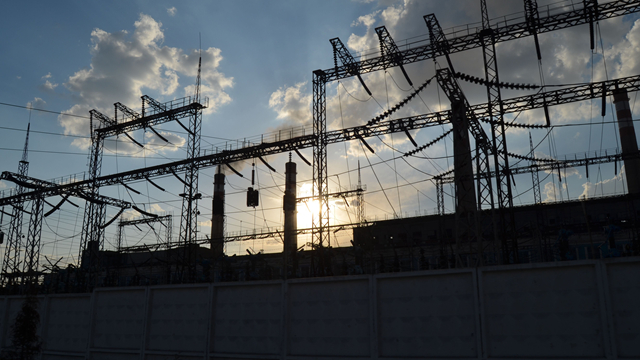
The Hidden Danger of Enclosed Spaces
An indoor switchgear enclosure is designed to protect sensitive equipment from environmental factors, but it also traps heat generated by current flow and resistive losses. Without proper ventilation strategies, this trapped energy creates a positive pressure buildup that stresses seals, gaskets, and structural joints. Over time, the continuous expansion and contraction caused by thermal cycles can degrade the integrity of the enclosure. This degradation allows moisture and contaminants to enter, leading to corrosion and eventual short circuits. The problem is not just about temperature; it is about the physical forces exerted on the metal casing during fault conditions or normal operation peaks.
The Role of Pressure Relief Mechanisms
A switchgear enclosure pressure relief vent serves as a critical safety component that mitigates these risks. These vents are engineered to open automatically when internal pressure exceeds a specific threshold, allowing gases to escape rapidly. This mechanism prevents the enclosure from rupturing or exploding during internal arc faults, which is a primary cause of severe accidents in substations. By providing a controlled release path, the vent directs harmful gases away from personnel and adjacent equipment. This design feature is essential for meeting international safety standards such as IEC 62271-200, which mandates effective pressure management for high-voltage switchgear.
Technical Considerations for Vent Selection
Selecting the right pressure relief solution requires a deep understanding of both thermal and mechanical requirements. Engineers must consider the volume of the enclosure, the type of insulation materials used, and the potential fault currents involved. The vent must balance the need for rapid pressure release with the requirement to keep out dust, water, and small animals. High-quality vents utilize flame-arresting meshes that extinguish any sparks escaping from the interior, ensuring that the released gas does not ignite external flammable materials. Additionally, the material composition of the vent must withstand harsh environmental conditions without corroding or degrading over decades of service.
Yiwu Shurvolt Electrical Co., Ltd.
Yiwu Shurvolt Electrical Co., Ltd. stands as a testament to rigorous engineering and quality control in the power equipment sector. Located in Yiwu City, Zhejiang Province, China, this professional manufacturer integrates research and development, production, sales, and service into a cohesive operational model. Since its establishment, the company has been dedicated to the field of power transmission and distribution, committed to providing customers with safe, reliable, and efficient power products and solutions. Through years of industry experience and technical accumulation, the company has gradually developed into a power equipment supplier with strong comprehensive strength. Their approach to switchgear manufacturing emphasizes the integration of advanced pressure relief technologies, ensuring that every unit meets the highest benchmarks for safety and performance. By combining robust structural design with intelligent ventilation systems, Yiwu Shurvolt addresses the common pitfalls of thermal management in enclosed spaces. Their products are widely recognized for their durability and ability to maintain stability under extreme operating conditions, making them a preferred choice for global infrastructure projects.
Implementation Best Practices
Proper installation and maintenance of pressure relief vents are just as important as their initial selection. Technicians should regularly inspect the vent mechanisms to ensure they are free from debris and operate smoothly. It is crucial to verify that the flame-arresting elements remain intact and have not been compromised by previous releases or environmental wear. Furthermore, the sealing surfaces around the vent opening must be checked for tightness to prevent unintended air infiltration when the vent is closed. Regular thermographic inspections can help identify hotspots that may indicate inadequate ventilation, prompting timely upgrades or replacements.
Conclusion
Ignoring the physics of pressure buildup in switchgear enclosures is a gamble with safety and uptime. Implementing effective pressure relief solutions is not merely a compliance checkbox but a fundamental engineering necessity. Ensure that your switchgear specifications include detailed requirements for pressure management and select partners who prioritize this aspect of design. Proactive attention to these details will significantly reduce the risk of catastrophic failures and extend the lifespan of your electrical infrastructure.
Helpful (306)
No help (0)
