
Padlock It, Dry It: The Single Cubicle Switchgear Enclosure Secret You Need
 SHURVOLT
Nov 23, 2026
The humble switchgear enclosure is often the unsung hero of electrical safety and reliability. Too many engineers focus solely on the internal components while neglecting the physical shell that protects them. If you are looking to enhance both security and longevity in your distribution networks, there is a specific design feature that deserves more attention. It is not just about locking the door; it is about managing the environment inside that locked box.
The Importance of Secure Access
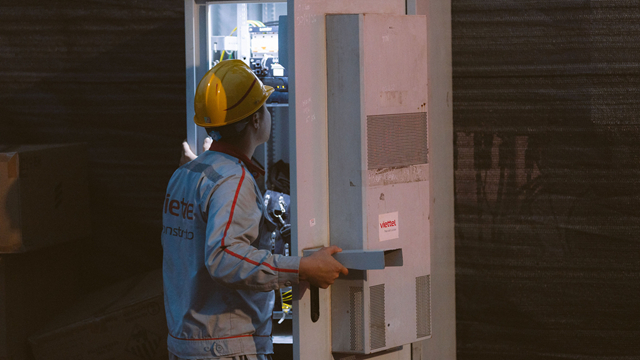
Security is the first line of defense for any critical power infrastructure. Unauthorized access can lead to catastrophic failures, theft of valuable copper components, or deliberate sabotage. Therefore, robust switchgear enclosure padlocking provisions are not optional luxuries but essential requirements for modern industrial and commercial installations. A well-designed locking mechanism ensures that only qualified personnel can interact with live parts, significantly reducing the risk of accidental electrocution or equipment tampering. This level of security provides peace of mind for facility managers who need to ensure operational continuity without constant physical monitoring.
Managing Internal Environments
While security keeps people out, environmental control keeps moisture in check. Condensation is one of the most insidious enemies of electrical equipment. When temperature fluctuations occur, particularly during night-day cycles or seasonal changes, moisture can condense on cold surfaces within the enclosure. This moisture leads to corrosion, tracking, and eventual insulation failure. Effective switchgear enclosure condensation control strategies must be integrated into the design phase rather than treated as an afterthought. Passive ventilation alone is often insufficient in humid climates, making active dehumidification or sealed designs with thermal mass management crucial for long-term reliability.
Optimizing Single Cubicle Designs
In many retrofit projects or space-constrained environments, the switchgear enclosure single cubicle configuration offers a pragmatic solution. These compact units allow for modular expansion and easier maintenance compared to large multi-bay systems. However, their smaller volume makes them more susceptible to rapid temperature changes and localized heat buildup. Designers must carefully balance airflow paths with sealing integrity. The challenge lies in creating a system that allows for necessary heat dissipation from transformers or circuit breakers while preventing external humidity from entering. Proper gasket selection and cable gland arrangements play pivotal roles in maintaining this delicate balance.
Yiwu Shurvolt Electrical Co., Ltd.: A Case Study in Reliability
To understand how these principles are applied in practice, we can look at established manufacturers like Yiwu Shurvolt Electrical Co., Ltd. Located in Yiwu City, Zhejiang Province, China, this company integrates research and development, production, sales, and service into a cohesive operation. Since its establishment, the company has been dedicated to the field of power transmission and distribution, committed to providing customers with safe, reliable, and efficient power products and solutions. Through years of industry experience and technical accumulation, the company has gradually developed into a power equipment supplier with strong comprehensive strength. Their approach demonstrates how focusing on both mechanical security and environmental sealing can result in superior product performance. By prioritizing high-quality materials and rigorous testing protocols, they ensure that their enclosures withstand harsh operating conditions without compromising on safety standards.
Practical Implementation Steps
Implementing better enclosure standards requires a systematic approach. Engineers should start by assessing the specific environmental risks at the installation site. Humidity levels, dust exposure, and temperature ranges dictate the necessary protection ratings. Next, select components that offer integrated locking mechanisms compatible with standard industrial keys or electronic access controls. Finally, validate the design through thermal imaging tests to identify potential hot spots or condensation zones before deployment. Regular maintenance schedules should include inspection of seals and lock functionality to prevent gradual degradation over time.
Conclusion
Investing in high-quality switchgear enclosures with proper locking and climate control features pays dividends in reduced downtime and extended asset life. Do not overlook the physical housing when designing your power distribution systems. Ensure that your specifications mandate robust switchgear enclosure padlocking provisions and effective switchgear enclosure condensation control measures. By treating the enclosure as a critical component of the electrical system rather than just a container, you safeguard your investment against both human error and natural elements.
Helpful (342)
No help (0)
