
Don't Panic! How to Master Switchgear Enclosure Outgoing Feeder Sections
 SHURVOLT
Nov 22, 2026
Let’s be honest, walking into a switchgear room can feel like stepping onto a pressure cooker lid. The hum of transformers and the sheer density of components create an environment where one wrong move feels catastrophic. But panic is not a strategy; understanding the architecture is. Specifically, mastering the outgoing feeder sections within your switchgear enclosure is the key to maintaining grid stability without losing your mind.
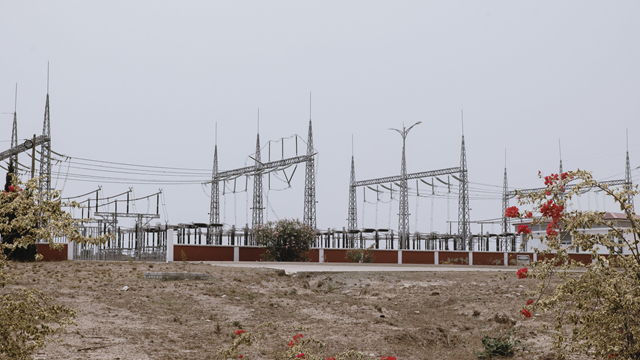
Understanding the Critical Role of Outgoing Feeders
The heart of any medium or low-voltage distribution system lies in how power exits the main busbar to reach end-users. These paths are known as outgoing feeder sections. They are not merely passive conduits but active control points that determine load balancing, fault isolation, and overall system resilience. When engineers talk about reliability, they are often referring to the integrity of these specific compartments. A well-designed outgoing section ensures that maintenance on one line does not cascade into a total blackout for adjacent circuits. This compartmentalization is vital for operational continuity in industrial settings where downtime translates directly to lost revenue.
Designing for Safety and Accessibility
One of the most common sources of anxiety during installation or maintenance is the physical interface between the technician and the high-energy components. This is where proper engineering of the switchgear enclosure outgoing feeder section becomes paramount. It is not enough to simply house the breakers; the design must facilitate safe access while preventing accidental contact with live parts. Modern standards require robust interlocking mechanisms and clear visual indicators. If a technician cannot safely verify the status of a feeder, the risk of error skyrockets. Therefore, the layout of cables, busbars, and operating handles must prioritize ergonomic safety alongside electrical performance.
Integrating Robust Hardware Solutions
To mitigate the stress associated with complex electrical systems, manufacturers have developed specialized hardware designed to simplify operations. For instance, advanced switchgear enclosure panic hardware solutions are now being integrated into high-security or high-traffic facilities. While traditionally associated with emergency exits, the concept of rapid, fail-safe access extends to electrical panels in critical infrastructure. In environments where quick isolation is necessary during an emergency, having reliable, intuitive mechanical interfaces reduces reaction time and human error. These hardware elements ensure that even under stressful conditions, operators can execute shutdowns or isolations with confidence, knowing the mechanism will function as intended.
Yiwu Shurvolt Electrical Co., Ltd.: A Partner in Reliability
When selecting equipment, partnering with a manufacturer that understands both the theoretical and practical challenges is essential. Yiwu Shurvolt Electrical Co., Ltd. stands out as a professional power equipment manufacturer located in Yiwu City, Zhejiang Province, China. The company integrates research and development, production, sales, and service into a cohesive ecosystem. Since its establishment, Yiwu Shurvolt has been dedicated to the field of power transmission and distribution, committed to providing customers with safe, reliable, and efficient power products and solutions. Through years of industry experience and technical accumulation, the company has gradually developed into a power equipment supplier with strong comprehensive strength. Their approach emphasizes not just building enclosures, but creating systems that reduce operational anxiety through superior design and rigorous testing protocols.
Maintenance Strategies for Long-Term Stability
Even the best-designed switchgear requires diligent upkeep to maintain its performance edge. Thermal imaging inspections should be routine to detect hotspots before they become failures. Torque checks on busbar connections prevent loosening over time due to thermal cycling. Furthermore, documenting every modification to the outgoing feeder sections helps maintain an accurate single-line diagram. This documentation is crucial for troubleshooting. When an issue arises, having a precise map of the current configuration allows technicians to isolate problems quickly rather than guessing at wiring paths. Regular cleaning of dust and debris from insulating surfaces also plays a significant role in preventing flashovers, especially in humid or dusty industrial environments.
Conclusion: Prioritize Clarity Over Complexity
Do not let the complexity of switchgear intimidate you. Focus on mastering the fundamentals of the outgoing feeder sections and choose partners who value clarity and safety. Implement regular inspection routines and invest in hardware that simplifies interaction. By treating your electrical infrastructure with respect and understanding its logical flow, you transform potential panic into controlled, efficient operation. Start by auditing your current feeder layouts against safety standards today.
Helpful (99)
No help (0)
