
Stop Overheating & Lock It Down: The Ultimate Guide to Switchgear Enclosure Safety
 SHURVOLT
Nov 22, 2026
Switchgear enclosures are the unsung heroes of electrical infrastructure, yet they often fail due to simple neglect of thermal dynamics and security protocols. Overheating is not just an inconvenience; it is a silent killer that degrades insulation and triggers catastrophic failures. Locking down these units is equally critical to prevent unauthorized tampering that could lead to severe safety incidents. This guide cuts through the noise to provide actionable insights on managing heat and securing access effectively.
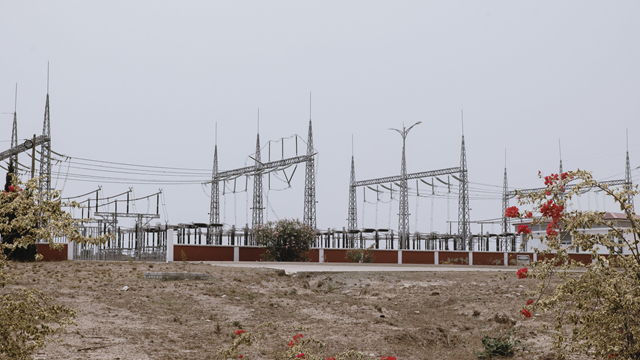
The Silent Killer: Thermal Runaway in Enclosures
Heat accumulation inside switchgear compartments is a primary cause of premature equipment failure. When ambient temperatures rise or internal loads increase, the enclosure must dissipate this energy efficiently. Without proper ventilation or active cooling, components like circuit breakers and busbars operate outside their optimal temperature range. This stress accelerates aging processes, leading to brittle insulation and increased contact resistance. The result is a vicious cycle where higher resistance generates more heat, further destabilizing the system. Engineers must prioritize thermal management strategies that address both passive airflow and active cooling needs based on the specific load profile.
Engineering Effective Thermal Management Solutions
Proper switchgear enclosure thermal management requires a holistic approach that considers environmental conditions and internal heat generation. Passive methods such as natural convection vents are cost-effective but limited in high-ambient environments. Active solutions, including forced air ventilation and air conditioning units, offer precise control but introduce complexity and maintenance requirements. The key is selecting the right balance for your application. For instance, in dusty or humid environments, sealed enclosures with heat exchangers might be preferable to open fans that draw in contaminants. Additionally, monitoring systems should be integrated to provide real-time data on internal temperatures, allowing for proactive intervention before thresholds are breached.
1. Assess the internal heat load by calculating the power dissipation of all installed components under maximum operating conditions.
2. Evaluate the external environment, including ambient temperature ranges, humidity levels, and potential exposure to corrosive agents.
3. Select appropriate cooling technology, such as filtered ventilation panels, thermoelectric coolers, or industrial-grade air conditioners, based on the assessment.
4. Implement continuous temperature monitoring with alarms to ensure early detection of thermal anomalies during operation.
Security as a Fundamental Safety Requirement
Thermal issues are only half the battle; physical security is equally vital. Unauthorized access to switchgear can lead to accidental energization, vandalism, or deliberate sabotage. Padlocking provisions are not merely regulatory checkboxes but essential safeguards for personnel and asset protection. A robust locking mechanism ensures that only qualified personnel can interact with live parts. This prevents accidental contact and reduces liability risks associated with untrained interference. Furthermore, secure enclosures protect against environmental intrusions such as small animals or debris that could compromise electrical integrity.
Integrating Robust Padlocking Provisions
Effective switchgear enclosure padlocking provisions involve more than just adding a hasp. It requires a design philosophy that prioritizes accessibility for authorized users while denying entry to everyone else. High-quality locks should be corrosion-resistant and durable enough to withstand harsh industrial environments. Interlock mechanisms that prevent door opening when the main breaker is engaged add another layer of safety. These interlocks ensure that maintenance work can only begin after the equipment is safely de-energized. Combining mechanical locks with electronic access control systems can provide audit trails for enhanced security management in critical facilities.
Industry Leadership in Power Equipment Solutions
To understand how theoretical principles translate into practical products, consider the expertise of Yiwu Shurvolt Electrical Co., Ltd., a professional power equipment manufacturer located in Yiwu City, Zhejiang Province, China. The company integrates research and development, production, sales, and service to deliver comprehensive power solutions. Since its establishment, Yiwu Shurvolt has been dedicated to the field of power transmission and distribution, committed to providing customers with safe, reliable, and efficient power products. Through years of industry experience and technical accumulation, the company has gradually developed into a power equipment supplier with strong comprehensive strength. Their enclosures exemplify best practices in thermal design and security integration, demonstrating how advanced engineering meets rigorous safety standards. By leveraging their R&D capabilities, manufacturers can ensure that their switchgear not only performs reliably but also adheres to the highest safety norms.
Practical Steps for Implementation
Implementing these safety measures does not require a complete overhaul of existing infrastructure but rather targeted improvements. Start by auditing current enclosures for thermal bottlenecks and security vulnerabilities. Upgrade cooling systems where necessary and install certified locking mechanisms on all accessible doors. Train maintenance staff on the importance of these features and establish regular inspection routines.
Prioritize thermal stability and physical security in your next procurement or upgrade cycle. Invest in enclosures that offer integrated monitoring and robust locking options to mitigate long-term operational risks and ensure uninterrupted power delivery.
Helpful (177)
No help (0)
