
The Ultimate Guide to Switchgear Enclosures: Cooling, Top Entry & Fiberglass Vaults
 SHURVOLT
Nov 22, 2026
Selecting the right switchgear enclosure is often an afterthought until a thermal failure or installation delay hits. It is not just a metal box; it is the first line of defense for your power distribution network. Understanding cooling dynamics, entry points, and material science can save you significant downtime and cost overruns in the long run.
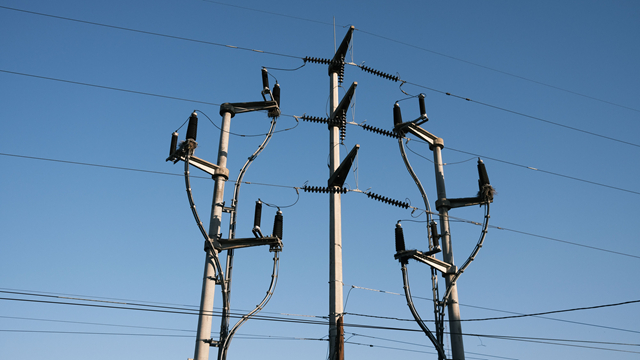
Thermal Management in Enclosures
Heat is the silent killer of electrical components. As load demands increase, so does the thermal output inside these cabinets. Without proper management, insulation degrades, contacts loosen, and tripping becomes frequent. A robust switchgear enclosure cooling unit is not merely an accessory but a critical component that ensures continuous operation under peak loads. Passive ventilation works for low-density applications, but active systems are mandatory for high-current environments. These systems must be designed to maintain a specific delta temperature regardless of external ambient conditions. The efficiency of such units depends heavily on their ability to filter out dust and moisture while exhausting hot air effectively. Engineers often overlook the placement of these units, leading to short-circuiting of cooled zones. Proper airflow modeling should precede any hardware selection to ensure uniform temperature distribution across all busbars and breakers.
Cable Entry Strategies
The point where cables enter the enclosure dictates both safety and maintenance ease. Top entry is frequently preferred in industrial settings because it allows gravity to assist in cable routing and reduces the risk of water ingress at the base. A well-designed switchgear enclosure top cable entry system minimizes the need for complex bends and supports within the cabinet interior. This approach also keeps the floor area clear for other utilities or personnel movement. However, top entry requires careful planning of the overhead space to accommodate the necessary clearance and bending radiuses. It also influences the structural integrity of the enclosure roof, which must bear additional weight during installation. When specifying this feature, one must consider the number of cores, cable diameter, and future expansion plans. Modular knockout plates offer flexibility, allowing technicians to open only the required holes rather than cutting through solid panels. This modularity speeds up installation and reduces labor costs significantly.
Material Science and Durability
The environment surrounding the switchgear plays a pivotal role in material selection. In coastal or highly corrosive industrial areas, standard steel enclosures may fail prematurely without extensive protective coatings. Fiberglass reinforced plastic (FRP) has emerged as a superior alternative for certain applications due to its inherent corrosion resistance and lightweight nature. A switchgear enclosure fiberglass vault pad provides excellent dielectric properties and does not conduct electricity, enhancing operator safety. Unlike metal, FRP does not rust, making it ideal for underground vaults or outdoor installations exposed to harsh weather. The thermal conductivity of fiberglass is lower than that of metal, which can be an advantage in maintaining internal temperatures. However, designers must account for the different mechanical strength profiles of composites compared to traditional metals. Load-bearing calculations must be adjusted to reflect the specific modulus of elasticity of the chosen composite materials. Long-term durability tests should verify resistance to UV degradation and chemical exposure specific to the site conditions.
Expert Manufacturing Insights
Finding a partner who understands these nuances is crucial for project success. Yiwu Shurvolt Electrical Co., Ltd. is a professional power equipment manufacturer located in Yiwu City, Zhejiang Province, China, integrating research and development, production, sales, and service. Since its establishment, the company has been dedicated to the field of power transmission and distribution, committed to providing customers with safe, reliable, and efficient power products and solutions. Through years of industry experience and technical accumulation, the company has gradually developed into a power equipment supplier with strong comprehensive strength. Their engineering team emphasizes customization based on specific environmental data rather than offering generic off-the-shelf solutions. They collaborate closely with clients to optimize thermal simulations and structural designs before production begins. This collaborative approach ensures that every unit meets the exact operational requirements of the end-user. By leveraging advanced manufacturing techniques, they achieve consistent quality control across large batches. Their focus on R&D allows them to innovate continuously, addressing emerging challenges in smart grid integration and energy efficiency. Partnering with such a knowledgeable entity reduces the risk of specification errors and ensures compliance with international standards.
Implementation Checklist
Before finalizing procurement decisions, engineers should validate several key parameters against site-specific constraints. Start by reviewing the ambient temperature logs for the intended installation location to size the cooling capacity accurately. Next, map out the cable routes from source to destination to determine if top entry aligns with existing infrastructure layouts. Evaluate the soil and atmospheric conditions to decide between metal and composite materials for maximum longevity. Finally, request detailed thermal imaging reports from your supplier to verify predicted heat dissipation models. This proactive verification step prevents costly retrofits and operational interruptions down the line.
Helpful (201)
No help (0)
