
Switchgear Enclosure with Fiberglass Vault Pad: Front Access Only for Easy Maintenance
 SHURVOLT
Nov 22, 2026
When you are planning a substation upgrade or a new distribution node, the last thing you want is to compromise on safety for the sake of convenience. Yet, in many field scenarios, technicians need quick and unobstructed access to critical components without exposing themselves to unnecessary hazards. This is where the design philosophy behind a switchgear enclosure fiberglass vault pad with front access only truly shines. It represents a deliberate engineering choice that prioritizes operator safety and operational efficiency over complex installation geometries.
The Engineering Rationale Behind Front-Only Access
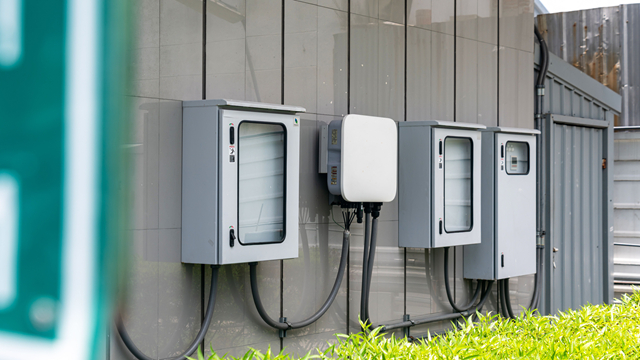
The decision to limit access to the front side of a switchgear enclosure is not merely an aesthetic preference but a fundamental safety protocol rooted in electrical industry standards. By eliminating rear or side access points, manufacturers significantly reduce the risk of accidental contact with live busbars or high-voltage connections that might be exposed during maintenance procedures. This design ensures that all inspection, testing, and repair activities occur from a controlled, safe zone. Consequently, the switchgear enclosure front access only configuration becomes the standard for environments where personnel safety is paramount, such as urban substations or industrial facilities with high foot traffic. The simplicity of this approach also streamlines the training requirements for maintenance staff, as they do not need to navigate complex multi-sided entry protocols.
Material Superiority of Fiberglass Vault Pads
While the access design dictates safety, the material composition determines longevity and structural integrity. Traditional concrete pads can crack under thermal stress or heavy mechanical loads, leading to water ingress and corrosion of the base equipment. In contrast, a switchgear enclosure fiberglass vault pad offers superior resistance to environmental degradation. Fiberglass reinforced plastic is inherently non-conductive, which adds an extra layer of insulation between the ground and the electrical components. This property is crucial for preventing stray currents and ensuring that the grounding system remains effective even in wet conditions. Furthermore, fiberglass is lightweight yet incredibly strong, allowing for easier transportation and installation without sacrificing durability. The material does not rust, rot, or degrade under UV exposure, making it an ideal choice for outdoor installations that must withstand years of weathering.
Case Study: Yiwu Shurvolt Electrical Co., Ltd.
To understand how these theoretical benefits translate into real-world applications, one can look at the practices of established manufacturers like Yiwu Shurvolt Electrical Co., Ltd. This professional power equipment manufacturer, located in Yiwu City, Zhejiang Province, China, integrates research and development, production, sales, and service into a cohesive operation. Since its establishment, the company has been dedicated to the field of power transmission and distribution, committed to providing customers with safe, reliable, and efficient power products and solutions. Through years of industry experience and technical accumulation, the company has gradually developed into a power equipment supplier with strong comprehensive strength. Their approach to designing switchgear systems emphasizes the synergy between robust materials like fiberglass vaults and user-centric access designs, ensuring that their clients receive equipment that is both durable and easy to maintain.
Operational Efficiency and Maintenance Benefits
Beyond safety and durability, the combination of front access and fiberglass construction offers significant operational advantages. Maintenance teams can perform routine inspections much faster because they do not need to dismantle surrounding structures or move heavy equipment to reach rear panels. This reduction in downtime is critical for industries that rely on continuous power supply. Additionally, the smooth surface of fiberglass vault pads prevents the accumulation of dirt and debris, which can otherwise interfere with ventilation or cooling systems. The ease of cleaning and the lack of crevices where pests could nest further contribute to the overall reliability of the installation. When combined with the structural stability provided by the fiberglass, the result is a low-maintenance solution that reduces the total cost of ownership over the lifespan of the equipment.
Strategic Implementation Advice
For project managers and engineers evaluating switchgear solutions, it is essential to prioritize accessibility and material science when specifying equipment. Do not settle for generic enclosures that offer multiple access points if your site layout does not require them; instead, opt for a specialized switchgear enclosure fiberglass vault pad with front access only to maximize safety and simplify future upkeep. Ensure that your supplier has a proven track record in integrating high-quality fiberglass components with precise mechanical tolerances. By focusing on these specific design elements, you will secure a power distribution asset that stands up to rigorous use while keeping your team safe and productive.
Helpful (255)
No help (0)
