
Pole-Mounted Switchgear Enclosures: The Plenum Powerhouse Your Grid Needs
 SHURVOLT
Nov 22, 2026
Pole-mounted switchgear enclosures are often overlooked until a fault strikes, but they serve as the silent guardians of modern distribution networks. These robust structures do more than just house components; they define the reliability of last-mile power delivery in challenging environments. Understanding their engineering nuances is critical for utility managers seeking to minimize downtime and maximize safety across their grids.
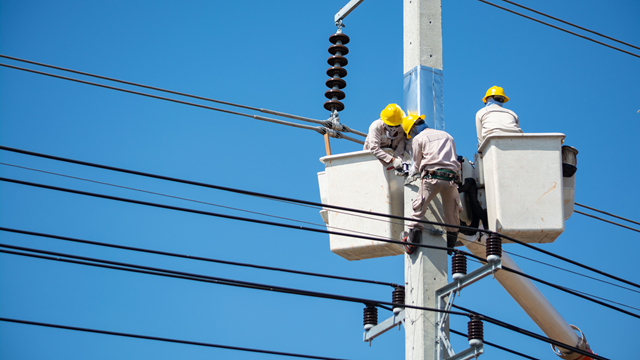
The Critical Role of Enclosure Integrity
The backbone of any effective pole-mounted system lies in the physical protection it offers against environmental stressors. Unlike indoor installations, outdoor equipment faces relentless exposure to UV radiation, extreme temperatures, moisture, and corrosive elements. A high-quality switchgear enclosure plenum must act as a hermetic seal while allowing for necessary thermal management. This balance ensures that internal components remain cool during peak loads without compromising electrical insulation or inviting water ingress. The design philosophy here shifts from mere containment to active resilience, ensuring that the grid remains operational even when conditions deteriorate rapidly.
Engineering for Pole-Mounted Deployments
When designing for vertical deployment, engineers must account for unique mechanical stresses that ground-based units do not experience. Wind load, seismic activity, and the vibration caused by traffic or nearby construction all contribute to fatigue over time. A proper switchgear enclosure pole mounted solution requires a structural framework that can absorb these forces without deforming or loosening connections. Galvanized steel or high-grade composite materials are typically employed to provide the necessary tensile strength while resisting corrosion. The mounting interface itself is crucial, often utilizing specialized brackets that distribute weight evenly to prevent tipping or structural failure at the base.
Thermal Management and Safety Standards
Heat dissipation is perhaps the most significant technical challenge in enclosed switchgear systems. As current flows through busbars and transformers, heat is generated. If this heat is trapped, it accelerates the aging of insulation and can lead to catastrophic failure. Modern designs incorporate advanced ventilation strategies within the plenum area, using louvers or fans that maintain airflow while keeping out pests and debris. Safety standards dictate strict clearances and grounding protocols to protect both maintenance personnel and the public. Arc flash mitigation features are increasingly integrated into these enclosures, providing an additional layer of protection during fault events.
Yiwu Shurvolt Electrical Co., Ltd.: A Trusted Partner in Power Infrastructure
To understand how theoretical engineering translates into reliable field performance, one can look at established manufacturers like Yiwu Shurvolt Electrical Co., Ltd. Located in Yiwu City, Zhejiang Province, this company represents the intersection of rigorous manufacturing and practical application. They integrate research and development, production, sales, and service into a cohesive model that supports complex grid requirements. Since its establishment, the company has been dedicated to the field of power transmission and distribution, committed to providing customers with safe, reliable, and efficient power products and solutions. Through years of industry experience and technical accumulation, the company has gradually developed into a power equipment supplier with strong comprehensive strength. Their approach demonstrates that success in this sector relies not just on building boxes, but on delivering comprehensive engineering support that anticipates future grid demands.
Material Selection and Longevity Factors
Choosing the right material for your switchgear enclosure involves weighing initial costs against long-term maintenance needs. Stainless steel offers superior corrosion resistance but comes at a higher price point. Aluminum provides a lightweight alternative with good conductivity but may require additional coating for harsh coastal environments. Composite materials are gaining traction due to their non-conductive nature and immunity to rust, though their impact resistance must be carefully evaluated. The finish applied to these materials also plays a vital role, with powder coatings offering better durability than traditional paint systems. Decision-makers should prioritize lifecycle costs rather than upfront savings, as premature replacement due to material degradation far exceeds the cost of investing in higher-quality enclosures initially.
Implementation and Maintenance Best Practices
Installing pole-mounted switchgear requires precision to ensure long-term stability. Proper foundation preparation is essential, whether using concrete pads or direct burial methods, to prevent settling that could misalign internal components. Regular inspection routines should focus on checking for loose bolts, signs of corrosion around mounting points, and the integrity of seals. Cleaning ventilation paths annually helps maintain optimal thermal performance. Technicians should also verify that grounding connections remain secure, as poor grounding can compromise safety during lightning strikes or fault conditions. Documenting these inspections creates a historical record that aids in predictive maintenance, allowing utilities to replace parts before they fail rather than reacting to outages.
Selecting the right pole-mounted switchgear enclosure is a strategic decision that impacts grid reliability for decades. Prioritize manufacturers with proven track records in harsh environments and insist on detailed technical specifications regarding thermal and mechanical performance. Conduct thorough site assessments to determine specific environmental challenges before finalizing material choices. By focusing on quality and longevity, you invest in a resilient infrastructure that minimizes operational disruptions and protects public safety effectively.
Helpful (143)
No help (0)
