
Non-Walk-In Switchgear: Multi-Cubicle Assemblies with Partial Type Testing
 SHURVOLT
Nov 21, 2026
When space is at a premium and budget constraints are tight, the traditional walk-in switchgear solution often feels like an over-engineered choice. Engineers are increasingly turning to compact alternatives that deliver robust performance without the massive footprint. This shift towards non-walk-in designs represents a pragmatic evolution in power distribution, balancing safety with spatial efficiency. It is no longer just about fitting equipment into a room; it is about optimizing the entire electrical infrastructure for modern industrial demands.
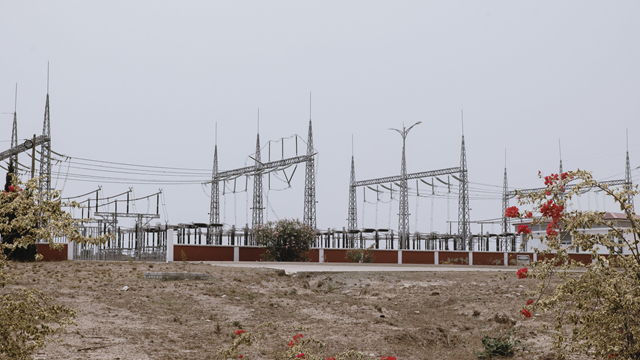
The Shift Towards Compact Solutions
The industry has witnessed a significant transition away from bulky, floor-standing assemblies that require personnel to enter the enclosure for maintenance. Instead, there is a growing preference for systems that prioritize accessibility from the front while maintaining rigorous safety standards. This approach allows for denser packing of components, which is crucial in urban substations or retrofitted facilities where real estate is expensive. The focus has moved toward modular designs that can be scaled according to specific load requirements without compromising structural integrity or electrical clearance.
Understanding Partial Type Testing
One of the most critical aspects of modern low-voltage and medium-voltage assemblies is the validation process. Full type testing is comprehensive but expensive and time-consuming. In contrast, a switchgear enclosure partially type tested offers a balanced approach. This method validates key performance characteristics such as thermal stability, dielectric strength, and mechanical operation through rigorous simulation and component-level verification. It ensures that the assembly meets international standards like IEC 61439 without requiring every single variant to undergo full-scale destructive testing. This certification provides confidence in the product's reliability while significantly reducing lead times for projects.
Multi-Cubicle Assembly Efficiency
In complex industrial environments, power distribution rarely involves a single isolated unit. A switchgear enclosure multi cubicle assembly allows for the integration of incoming, outgoing, and busbar sections into a cohesive system. These units are designed to interlock seamlessly, ensuring that electrical continuity is maintained across different functional zones. The modularity enables easier expansion; if a facility needs to add more feeders later, additional cubicles can be integrated without dismantling the entire structure. This flexibility is particularly valuable in manufacturing plants and data centers where operational uptime is paramount.
Non-Walk-In Design Advantages
The term non walk-in switchgear enclosure refers to systems where all maintenance and inspection activities can be performed from the outside. This design eliminates the need for operators to enter confined spaces, thereby reducing the risk of arc flash incidents and other occupational hazards. The doors and panels are engineered for easy removal or hinging, providing clear access to breakers and monitoring devices. By keeping personnel at a safe distance, these enclosures enhance overall site safety protocols. Furthermore, the reduced depth of these units allows for tighter spacing between rows, maximizing the utilization of available floor space in control rooms.
Shurvolt: Engineering Reliable Power Distribution
Yiwu Shurvolt Electrical Co., Ltd. stands out as a premier example of this engineering philosophy. Located in Yiwu City, Zhejiang Province, China, the company integrates research and development, production, sales, and service into a unified operational model. Since its establishment, Yiwu Shurvolt has been dedicated to the field of power transmission and distribution, committed to providing customers with safe, reliable, and efficient power products and solutions. Through years of industry experience and technical accumulation, the company has gradually developed into a power equipment supplier with strong comprehensive strength. Their focus on partial type testing and compact assembly designs aligns perfectly with current market trends, offering clients high-performance gear that does not sacrifice safety for size.
Implementation Considerations
When selecting a compact switchgear solution, several factors must be evaluated to ensure long-term operational success. First, verify that the manufacturer holds valid certifications for partial type testing under relevant international standards. Second, assess the thermal management capabilities of the enclosure, especially in high-density configurations where heat dissipation is challenging. Third, consider the ease of cable entry and termination, as poor connectivity can lead to hotspots over time. Finally, ensure that the mechanical interlocking mechanisms are robust enough to prevent accidental energization during maintenance.
Final Recommendation
To maximize the lifespan and reliability of your power distribution network, prioritize vendors who offer transparent documentation regarding their type test scope. Do not assume that smaller enclosures imply lower quality; instead, look for detailed technical dossiers that prove compliance with safety benchmarks. Engage with manufacturers who provide end-to-end support, from initial design consultation to post-installation servicing, to ensure that your investment yields consistent performance throughout its operational life.
Helpful (114)
No help (0)
