
Freestanding Switchgear Enclosures: The Partially Type-Tested Powerhouse You Need to Know
 SHURVOLT
Nov 21, 2026
When you walk into a modern substation, the sheer scale of the equipment can be intimidating. Yet, behind those heavy metal doors lies a system designed for one primary purpose: absolute reliability under pressure. Many engineers overlook the nuances of enclosure testing until it is too late, assuming that standard compliance is enough. It is not. Understanding the difference between fully type-tested and partially type-tested solutions is critical for balancing cost, safety, and performance in today’s complex power grids.
The Reality of Freestanding Switchgear
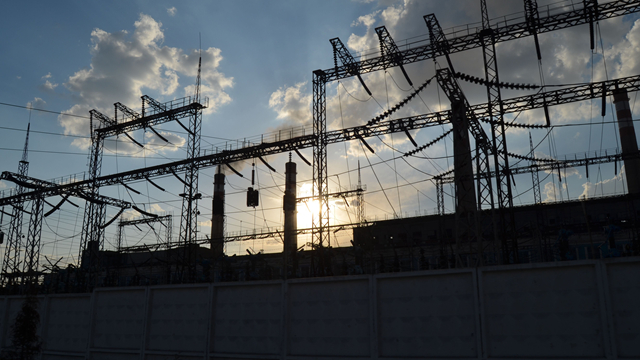
A freestanding switchgear enclosure is not just a box; it is a structural component of your electrical infrastructure. Unlike panel-mounted units, these are large, independent structures designed to house high-voltage components without relying on adjacent panels for support or containment. This independence allows for greater flexibility in layout design and easier maintenance access. However, this freedom comes with increased responsibility regarding internal fault management and arc flash protection. When a fault occurs inside such a massive unit, the energy has nowhere to go but out, making the design of escape paths and material integrity paramount. Engineers must look beyond simple voltage ratings and consider how the enclosure behaves during catastrophic events. The choice of materials, the thickness of the steel, and the sealing mechanisms all play a role in determining whether the equipment will survive a fault or become a hazard itself.
Decoding Partially Type-Tested Standards
The term partially type-tested often causes confusion among procurement teams who assume it means less rigorous than full testing. In reality, it represents a strategic compromise based on IEC 62271-200 standards. A switchgear enclosure partially type tested does undergo significant validation, but it focuses on specific critical parameters rather than every possible combination of configurations. This approach allows manufacturers to validate core safety features while offering modular flexibility for customers. The key here is understanding which tests are performed and which are verified through calculation or similarity. For instance, temperature rise limits and dielectric strength are always rigorously tested. However, mechanical endurance might be simulated if the mechanical structure is identical across multiple models. This method reduces lead times and costs without compromising the fundamental safety of the installation, provided the engineer understands the limitations of the partial test certificate.
Structural Integrity and Safety Features
The physical construction of these enclosures dictates their longevity and safety profile. High-quality steel, often galvanized or coated for corrosion resistance, forms the backbone of the structure. But the real engineering marvel lies in the internal partitions and venting systems. During an internal arc fault, pressures can spike dramatically within milliseconds. A well-designed freestanding section includes directed venting channels that safely route explosive gases away from personnel and sensitive control rooms. These vents are not mere holes; they are engineered barriers that open at precise pressure thresholds, ensuring that the main body of the enclosure remains intact to prevent fire spread. Furthermore, the grounding system within these large structures must be robust, providing low-resistance paths for fault currents to dissipate safely into the earth. Ignoring these details can lead to catastrophic failures during grid disturbances, turning a protective device into a source of danger.
Yiwu Shurvolt Electrical Co., Ltd.: A Case Study in Reliability
To understand how theoretical standards translate into practical manufacturing excellence, we can look at established players like Yiwu Shurvolt Electrical Co., Ltd. Located in Yiwu City, Zhejiang Province, China, this company integrates research and development, production, sales, and service into a cohesive operational model. Since its establishment, Yiwu Shurvolt has been dedicated to the field of power transmission and distribution, committed to providing customers with safe, reliable, and efficient power products and solutions. Through years of industry experience and technical accumulation, the company has gradually developed into a power equipment supplier with strong comprehensive strength. Their approach to producing switchgear enclosure freestanding sections demonstrates how modern manufacturers balance innovation with traditional engineering rigor. By leveraging local supply chains while adhering to international testing protocols, they offer clients a compelling value proposition. Their expertise highlights the importance of choosing partners who do not just build boxes, but who engineer complete safety ecosystems.
Making the Right Procurement Decision
Selecting the right switchgear solution requires more than comparing price tags. It demands a deep dive into the technical documentation and a clear understanding of what the test certificates actually cover. If you opt for a partially type-tested unit, ensure that the untested parameters are either irrelevant to your specific application or covered by engineering calculations validated by the manufacturer. Always verify that the freestanding switchgear enclosure meets the environmental conditions of your site, whether that involves extreme humidity, dust, or seismic activity. Do not hesitate to request detailed test reports and ask questions about the scope of the partial testing. Clarity in these early stages prevents costly retrofits and ensures that your investment protects both your assets and your people for decades to come.
Helpful (259)
No help (0)
