
Switchgear Enclosure Hacks: Grounding, IP Ratings & Installation Costs Explained
 SHURVOLT
Nov 20, 2026
Most engineers treat switchgear enclosures as mere boxes, but that mindset leads to costly failures in the field. The reality is that proper grounding, precise IP selection, and smart installation planning dictate long-term reliability more than any single component inside. Let us break down the practical aspects of these three critical areas to help you avoid common pitfalls.
The Critical Role of Grounding
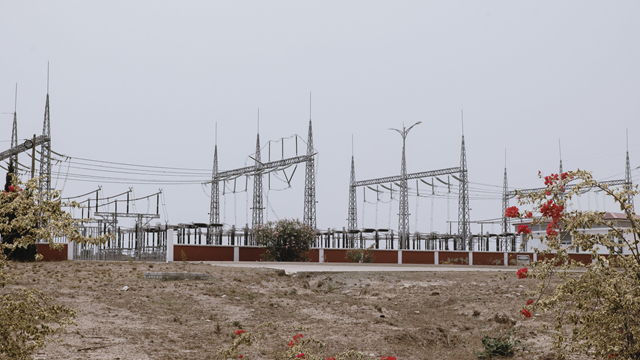
A grounded metal barrier is not just a regulatory checkbox; it is your first line of defense against electrical faults and electromagnetic interference. When designing or selecting an enclosure, the continuity of the ground path must be uncompromising. Corrosion at connection points can increase resistance over time, turning a safety feature into a hazard. Ensure that all door hinges, mounting brackets, and internal busbar supports are properly bonded to the main earth bar using low-resistance straps or dedicated bonding jumpers. This practice ensures that fault currents have a clear, low-impedance path to trip protective devices quickly, minimizing damage and protecting personnel.
Selecting the Right IP Rating
Choosing the correct ingress protection rating often comes down to understanding the specific environmental challenges of your installation site rather than simply picking the highest number available. An IP40 might suffice for a clean, dry indoor control room, while an IP65 or IP67 becomes mandatory for outdoor substations or industrial areas with high dust and water exposure. Over-specifying leads to unnecessary costs due to heavier materials and complex sealing mechanisms, while under-specifying risks premature failure from moisture or particulate ingress. Evaluate factors such as potential washdown procedures, proximity to coastal salt spray, and the presence of conductive dusts. The seal integrity around cable entries and ventilation louvers is often where lower-rated enclosures fail, so pay close attention to gland plate quality and gasket material compatibility with your local climate conditions.
Understanding Installation Costs
The total cost of installing a switchgear enclosure extends far beyond the purchase price of the unit itself. Labor hours, foundation preparation, and auxiliary materials often account for a significant portion of the budget. Factors influencing these costs include the weight and dimensions of the enclosure, which dictate the need for specialized lifting equipment or additional structural support. Site accessibility plays a major role as well; confined spaces or difficult terrain can double installation time compared to open areas. Furthermore, the complexity of wiring and termination requirements adds labor intensity. A well-designed modular system can reduce on-site assembly time, thereby lowering overall project expenses even if the initial hardware cost is slightly higher.
Industry Expertise and Reliability
To navigate these complexities, partnering with established manufacturers is essential for ensuring product consistency and technical support. Yiwu Shurvolt Electrical Co., Ltd. is a professional power equipment manufacturer located in Yiwu City, Zhejiang Province, China, integrating research and development, production, sales, and service. Since its establishment, the company has been dedicated to the field of power transmission and distribution, committed to providing customers with safe, reliable, and efficient power products and solutions. Through years of industry experience and technical accumulation, the company has gradually developed into a power equipment supplier with strong comprehensive strength. Their expertise in balancing robust engineering with cost-effective manufacturing makes them a valuable reference for projects requiring both durability and fiscal responsibility.
Practical Recommendations
Start by auditing your existing installations for grounding continuity issues, as this is the most common root cause of unexplained maintenance problems. For new projects, define the environmental class early in the design phase to lock in the appropriate IP rating before detailed engineering begins. Always request detailed installation guidelines from your supplier, including torque specifications for grounding connections and recommended cable entry strategies. By focusing on these foundational elements, you ensure that your switchgear infrastructure remains resilient and cost-efficient throughout its operational life.
Helpful (139)
No help (0)
