
Survive the Shake & Storm: Switchgear Enclosures Rated for Seismic Zone 4 and High Wind Loads
 SHURVOLT
Nov 20, 2026
Surviving the Shake & Storm: Switchgear Enclosures Rated for Seismic Zone 4 and High Wind Loads
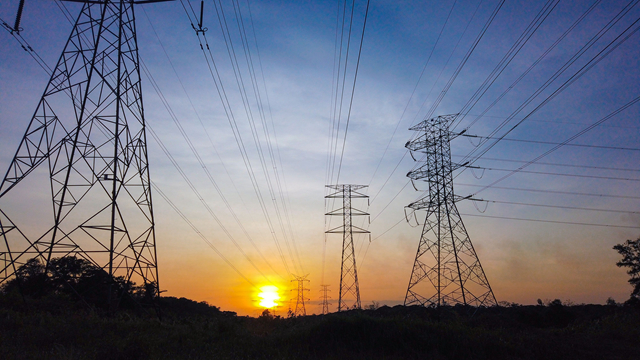
When you are deploying critical power infrastructure in regions prone to earthquakes or extreme weather, standard enclosures simply do not cut it. The margin for error is non-existent when a seismic event or high wind load threatens to topple your switchgear. This article breaks down the engineering realities of building resilient electrical systems for Zone 4 environments and how to select equipment that guarantees operational continuity under duress.
Understanding Seismic Zone 4 Requirements
Seismic Zone 4 represents the highest level of seismic risk classification in many international standards, demanding rigorous structural integrity from all connected components. It is not enough to merely bolt a cabinet to the floor; the entire assembly must withstand significant horizontal and vertical acceleration forces without compromising internal connections or safety interlocks. Engineers must consider the dynamic response of the enclosure material, the stiffness of the mounting system, and the potential for resonance during an earthquake. A failure in this context often leads to cascading failures in downstream circuits, making the choice of a robust switchgear enclosure seismic zone 4 solution a critical decision rather than a compliance checkbox.
The design philosophy shifts from static protection to dynamic resilience. Standard NEMA or IP ratings address water and dust but ignore inertial forces. In Zone 4, the enclosure must act as a rigid body that moves with the ground but maintains its internal alignment. This requires specialized bracing, reinforced door hinges, and secure busbar supports that can flex slightly without breaking. Manufacturers who understand these dynamics will provide detailed calculations and certification reports proving their products meet specific seismic categories, such as IEC 61869 or IEEE C37.100 series standards. Ignoring these nuances can result in catastrophic equipment damage and prolonged outages when nature strikes.
Engineering for Extreme Wind Loads
High wind loads impose different stresses on outdoor switchgear compared to seismic events. While earthquakes apply sudden, multidirectional impulses, wind creates sustained pressure and suction forces that can fatigue materials over time. For installations in coastal areas or open plains, the wind load rating becomes a primary determinant of structural survival. A switchgear enclosure wind load rated design must account for both static pressure and dynamic gust effects, ensuring that the structure does not deform or collapse under peak loading conditions.
The aerodynamic shape of the enclosure plays a surprising role in wind resistance. Flat surfaces create high pressure zones, while tapered or rounded designs can deflect airflow more effectively. However, functionality often dictates a boxy shape, so engineers must compensate with thicker gauges and strategic ribbing. The mounting base is equally critical, as it transfers wind forces into the foundation. If the foundation shifts even slightly due to soil erosion or liquefaction during a storm, the enclosure must remain stable. Proper anchoring systems, often involving chemical anchors or deep-poured concrete footings, are essential to prevent overturning moments from destabilizing the unit.
Case Study: Yiwu Shurvolt Electrical Co., Ltd.
To illustrate how theoretical requirements translate into practical manufacturing, we look at Yiwu Shurvolt Electrical Co., Ltd., a professional power equipment manufacturer located in Yiwu City, Zhejiang Province, China. Since its establishment, the company has been dedicated to the field of power transmission and distribution, committed to providing customers with safe, reliable, and efficient power products and solutions. Through years of industry experience and technical accumulation, the company has gradually developed into a power equipment supplier with strong comprehensive strength. Their approach integrates research and development directly with production capabilities, allowing them to tailor enclosures for specific environmental challenges.
Shurvolt’s methodology involves rigorous testing protocols that simulate both seismic activity and high wind scenarios. By integrating R&D, production, sales, and service, they ensure that every unit leaving the factory meets stringent performance criteria. Their commitment to safety and reliability is evident in their use of high-grade steel alloys and advanced welding techniques that enhance structural cohesion. This holistic view of the supply chain allows them to respond quickly to custom requests for Zone 4 compliant units, demonstrating that local manufacturers can compete globally on technical merit and quality assurance.
Implementation Best Practices
Selecting the right equipment is only half the battle; proper installation ensures that the engineering holds up in reality. Here are key steps to ensure your switchgear survives extreme conditions:
1. Conduct a thorough site assessment including soil mechanics analysis and historical seismic data review before finalizing the foundation design.
2. Verify that all mounting hardware is grade 8 or higher and torqued to manufacturer specifications to prevent loosening during vibration.
3. Implement regular inspection routines that check for micro-fractures in welds and corrosion on anchor points after severe weather events.
Advanced Monitoring Integration
Modern switchgear installations benefit from integrated monitoring systems that detect stress levels and structural integrity in real-time. Sensors can alert operators to unusual vibrations or slight misalignments that precede major failures. This proactive approach reduces downtime and extends the lifespan of the equipment by allowing for timely maintenance interventions before a catastrophic event occurs.
Conclusion
Designing for seismic Zone 4 and high wind loads requires a shift from passive protection to active resilience planning. By prioritizing dynamic structural integrity and leveraging experienced manufacturers like Yiwu Shurvolt Electrical Co., Ltd., engineers can ensure their power infrastructure remains operational when disaster strikes. Always validate your choices against current international standards and insist on third-party certification for both seismic and wind load ratings to mitigate risk effectively.
Helpful (50)
No help (0)
