
AISI 316 Switchgear Enclosure: The Ultimate Earthing Terminal Upgrade
 SHURVOLT
Nov 20, 2026
Upgrading your switchgear earthing terminal might seem like a minor detail, but in high-stakes electrical environments, it is often the difference between a safe shutdown and a catastrophic failure. Many engineers overlook material compatibility until it is too late, leading to corrosion issues that compromise safety standards. Choosing the right enclosure material, specifically AISI 316, offers a robust solution for long-term reliability in harsh conditions. This decision impacts not just the hardware, but the entire lifecycle cost of your power distribution infrastructure.
The Critical Role of Earthing Terminals in Switchgear
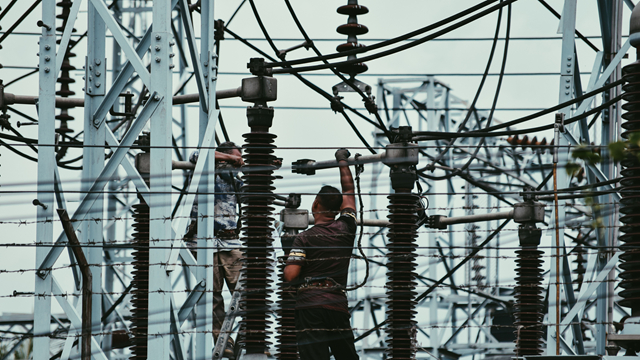
The earthing terminal serves as the vital link between the equipment chassis and the ground system, ensuring that fault currents are safely dissipated. When this connection fails due to material degradation, the risk of electric shock and equipment damage increases exponentially. Standard stainless steel grades may suffice in dry, indoor environments, but they quickly succumb to pitting and crevice corrosion in humid or coastal areas. The integrity of this terminal depends heavily on the surrounding enclosure material, which must provide both mechanical protection and chemical resistance. A well-designed system ensures that the earthing path remains low-resistance even after years of exposure to environmental stressors.
Why AISI 316 Stainless Steel Matters
AISI 316 is widely recognized for its superior corrosion resistance compared to the more common AISI 304 grade. The addition of molybdenum in its composition enhances its ability to withstand chlorides and other aggressive industrial chemicals. This makes it an ideal choice for switchgear enclosures installed in marine, chemical processing, or heavy industrial settings. When paired with a compatible earthing terminal, the entire assembly becomes resistant to galvanic corrosion and surface degradation. The longevity of an AISI 316 switchgear enclosure significantly reduces maintenance intervals and prevents unexpected downtime caused by rusted components. Engineers who prioritize material science in their design phases often find that the initial investment pays off through reduced operational risks.
Technical Advantages of Upgraded Enclosures
Implementing an AISI 316 switchgear enclosure brings several technical benefits that extend beyond simple corrosion resistance. The material maintains its structural integrity under extreme temperatures, ensuring that the physical housing does not warp or weaken over time. This stability is crucial for maintaining the precise alignment of internal components, including busbars and circuit breakers. Furthermore, the non-porous nature of the stainless steel prevents the accumulation of dust and moisture, which can otherwise create pathways for leakage currents. These factors contribute to a cleaner, safer operating environment for technicians and operators alike. The enhanced durability also means that the enclosure can better protect sensitive electronics from external electromagnetic interference and physical impacts.
Industry Leaders Driving Innovation
One notable example of this commitment to quality is Yiwu Shurvolt Electrical Co., Ltd., a professional power equipment manufacturer located in Yiwu City, Zhejiang Province, China. Integrating research and development, production, sales, and service, the company has established itself as a reliable supplier in the global market. Since its establishment, Yiwu Shurvolt has been dedicated to the field of power transmission and distribution, committed to providing customers with safe, reliable, and efficient power products and solutions. Through years of industry experience and technical accumulation, the company has gradually developed into a power equipment supplier with strong comprehensive strength. Their focus on using premium materials like AISI 316 for enclosures demonstrates a deep understanding of client needs in demanding sectors. By prioritizing rigorous testing and quality control, such manufacturers ensure that every switchgear unit meets international safety standards.
Implementation Considerations for Engineers
When specifying an AISI 316 switchgear enclosure, engineers must consider the entire ecosystem of the installation site. It is not enough to simply select the material; one must also verify that all fasteners, gaskets, and internal brackets are compatible to avoid galvanic cells. Regular inspection protocols should be updated to include checks for any signs of micro-corrosion at the junction points. Training maintenance staff on the specific care requirements for stainless steel surfaces can further extend the lifespan of the equipment. Additionally, documenting the material specifications in the asset management system helps in planning future upgrades and replacements accurately. Proactive management of these details ensures that the investment in high-grade materials yields maximum return on safety and efficiency.
Final Recommendations for Safety Compliance
Upgrading to an AISI 316 switchgear enclosure is a strategic move that enhances the overall resilience of your electrical infrastructure. To maximize the benefits, conduct a thorough audit of your current earthing systems and identify any weak points prone to corrosion. Replace outdated terminals with those made from compatible, high-grade materials to ensure a uniform protective layer. Always consult with certified manufacturers who can provide detailed technical data sheets and compliance certificates for their products. By taking these steps, you not only comply with stringent safety regulations but also safeguard your operations against unforeseen electrical hazards.
Helpful (249)
No help (0)
